
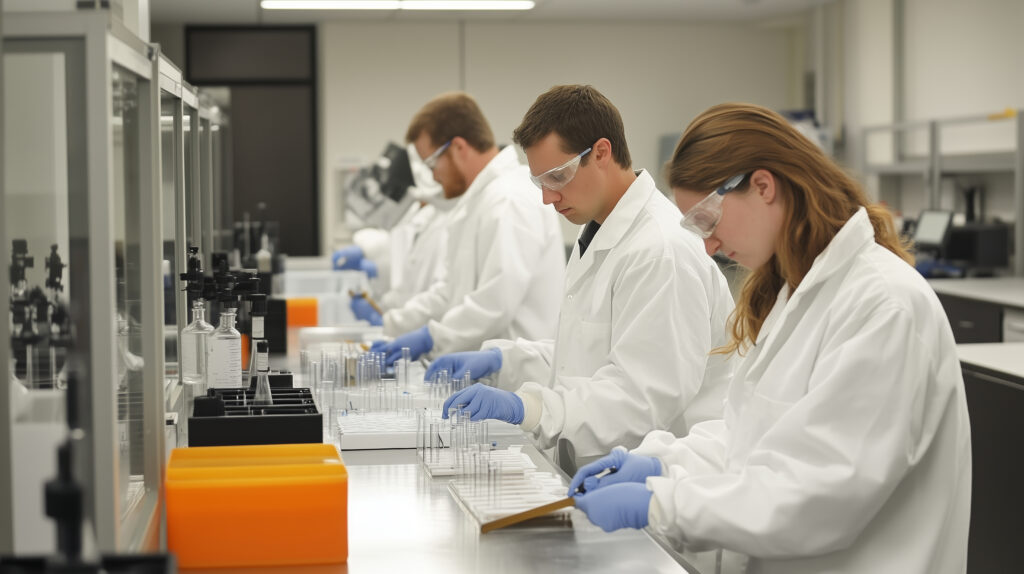
Our nation’s water infrastructure stands at a critical juncture. Recognizing the urgency, officials, communities, and private entities are uniting to modernize outdated systems. This effort is aimed at safeguarding water quality and managing costs effectively. The Water Infrastructure Modernization Act, championed by Senators John Curtis and Ruben Gallego, exemplifies the federal commitment to fortify pipes, treatment facilities, and distribution networks.
This push towards modernization is a response to pressing public health concerns and the need to prepare for future demands. It marks a significant step towards ensuring a reliable and sustainable water supply for generations to come.
Leaders are focusing on water utility modernization to minimize service disruptions and keep water bills affordable. The ultimate goal is to deliver a cleaner, safer water supply that meets increasing expectations. Achieving this balance can enhance public trust in local utilities and support sustainable improvements that endure for generations.
Key Takeaways
- water utility modernization guards against breakdowns in older systems
- The Water Infrastructure Modernization Act boosts federal support
- Investments aim to strengthen water quality and supply reliability
- Communities benefit from stable costs and fewer service interruptions
- Safer resources promote greater public trust and long-term resilience
Understanding the Current State of Water Utilities
In the United States, various departments oversee water distribution and treatment. Their goal is to provide safe water to both homes and businesses. They face challenges like shifting demand and climate extremes, yet they strive to keep water accessible under all conditions. Despite their efforts, old pipelines, rising maintenance costs, and limited budgets hinder their efficiency.
Water Supply Complexities
Managing a vast network of reservoirs, pumping stations, and treatment plants demands careful planning. Shortages in rainfall, floods, and seasonal demand peaks underscore the need for proactive steps. This includes improved water systems that enhance efficiency and reduce risks.
Challenges of Aging Infrastructure
Regular repairs lead to increased expenses, service interruptions, and health risks. Long-term planning is essential to minimize disruptions caused by outdated infrastructure.
- Higher likelihood of leaks and contamination
- Costly emergency repairs that strain local budgets
Investments in better water systems boost resilience, preventing failures that threaten public safety.
The Catalyst for Change
The push for modernizing water utilities stems from policy shifts and public pressure. Extreme weather events intensify the strain on these systems. Leaders recognize the need for solutions that safeguard water, ensure sanitation, and bolster economic stability.
Experts emphasize that water infrastructure upgrades are key to reliable service. Urban population growth puts pressure on aging pipelines. Public health demands prompt action to prevent contamination and mitigate long-term risks.
“Communities stand at a crossroads and must adopt new strategies that defend health while conserving resources.”
State incentives highlight water infrastructure upgrades as a path to resilience. A discussion at this online forum showed how grants drive development in vital areas. Water authorities, supported by both private and public sectors, increase budgets to replace outdated infrastructure and rebuild trust in the supply.
Innovative Technologies Driving Modernization
Technology is transforming the water utility sector. Modern tools enable timely monitoring and proactive problem-solving, leading to more efficient operations. At the core of these advancements is sustainable water management. It aims to protect resources while ensuring services remain affordable and reliable.
Smart Water Meters and Usage Tracking
Smart meters provide real-time consumption data, helping households adjust their usage. Utilities benefit from accurate billing, reducing confusion and promoting water conservation. These insights help administrators identify trends and predict demands, preventing shortages.
Advanced Leak Detection and Repair Systems
Pipeline analysis technology detects cracks or inefficiencies early, reducing water waste and preventing structural failures. Utilities now schedule maintenance based on actual system conditions, reducing unexpected service interruptions. The widespread use of such systems supports sustainable water management, conserving resources for future generations.
Funding and Policy Influences
Local authorities face rising costs and seek various solutions to modernize water services. Grants and loans from established programs are key in driving these upgrades. By using these resources, utilities can maintain operations and invest in innovative tools that enhance reliability.
Federal Programs and Grants
Initiatives like the Water Infrastructure Modernization Act provide significant funding. Local governments collaborate with federal agencies to tackle outdated infrastructure. They acquire advanced monitoring platforms and support reforms that boost reliability.
Environmental Regulations and Compliance
Legislation such as the Safe Drinking Water Act and the Clean Water Act sets quality standards and promotes sustainable practices. Companies adopt new processes to meet these regulations. This focus on efficiency and responsibility ensures safer water supplies for all.
Infrastructure Upgrades for Better Performance
Modernizing water infrastructure is key to boosting reliability in communities. Projects include upgrading old pipes, expanding filtration, and increasing storage. These efforts enhance system stability and reduce disruptions to daily life.
Utilities are integrating advanced water treatment innovations to combat contaminants. The American Water Works Association emphasizes the need for modern methods to protect water from pollutants. Corrosion-resistant materials reduce leaks and maintain water quality. Reinforced pumping stations ensure consistent pressure, providing clean water to homes and businesses.
Key infrastructure enhancements include:
- Fiber-reinforced pipelines for greater durability
- Modern filtration technologies for purer output
- Upgraded pumping equipment that saves energy
A strategic approach to these projects results in fewer main breaks and lower repair costs. It also ensures a safer water supply for all. Investments in advanced water treatment lead to lasting improvements for both urban and rural areas.
| Upgrade | Key Benefit |
| Advanced Filtration Systems | Limits harmful contaminants |
| Corrosion-Resistant Piping | Prevents leaks and reduces metal leaching |
| Enhanced Pumping Stations | Boosts overall water pressure |
The Impact on Water Quality
Public utilities across the United States are refining their operations to secure dependable drinking water. They are implementing treatment techniques that harness water innovation. This enhances safety for neighborhoods that once faced unpredictable contamination threats.
Filtration improvements, combined with modern disinfection approaches, help reduce bacterial and chemical risks. This shift inspires greater confidence among residents who rely on vibrant water sources for daily living. It motivates utilities to aim for higher purity levels.
Improved Treatment Processes
Revised methods utilize cutting-edge materials and targeted solutions. UV and ozone applications address contaminants that older frameworks often missed. Membrane filtration technologies are designed to safeguard against microscopic hazards.
These steps reinforce industry efforts to comply with Environmental Protection Agency standards. They protect vital water supplies.
Monitoring and Transparency for Safer Water
Real-time tracking allows operators to detect sudden imbalances or spikes in harmful agents. Remote alerts, combined with public access to testing outcomes, prompt swift corrective action. This level of visibility fosters a closer connection between utilities and their communities.
It highlights the importance of water innovation that promotes trust and long-term quality.
Addressing Maintenance and Operational Efficiency
Utilities aim to maintain network integrity and minimize resource waste. They conduct regular equipment inspections, respond promptly to faults, and manage resources wisely. This strategy aligns with eco-friendly water solutions, ensuring community safety and consistent service delivery.
Predictive Analytics for Early Issue Detection
Data-driven systems collect insights from sensors and field devices. Machine learning algorithms identify early warning signs, guiding technicians to impending issues. This proactive approach minimizes unexpected downtime and safeguards natural resources from leaks or bursts.
Real-Time Data Collection and Response
Monitoring platforms send alerts immediately upon detecting anomalies. Field teams can then quickly identify and address weak points, patch vulnerabilities, or bypass faulty components. This rapid response supports environment-friendly water solutions, conserving resources and boosting operational efficiency.
- Automatic alerts for sudden changes
- Regular equipment health checks
- Streamlined repair scheduling
| Method | Benefit | Tool |
| Predictive Maintenance | Reduces emergency repairs | AI-driven analysis |
| Real-Time Monitoring | Minimizes water loss | Sensor networks |
| Targeted Field Response | Speeds up repairs | Mobile dispatch apps |
Community Engagement and Public Trust
Local communities are key to the success of water utility modernization. Through interactive programs, residents can engage in discussions and learn about the benefits of upgrades. Transparency is essential, with leaders openly sharing information on costs and schedules. This builds trust in the decisions made for new infrastructure.
Public trust fosters collaboration among residents, policymakers, and utility professionals. Open communication leads to tangible results from each project. Engaging families at fairs or town halls simplifies complex ideas, promoting environmental protection. Regular updates on water testing and repairs show credible stewardship.
- Open forums encourage direct participation
- Social media posts deliver timely progress reports
- Educational workshops foster deeper awareness
| Engagement Strategy | Key Benefit |
| Community Q&A Sessions | Strengthens resident input on projects |
| Volunteer Outreach Drives | Increases local ownership and support |
| Online Updates | Provides real-time data on water quality |
Success Stories Across the United States
Municipalities nationwide are advancing with modern water utility projects. Each initiative reflects local needs and available funds. These efforts showcase how technology and teamwork can revamp critical services. They also ensure a healthier environment for everyone.
Major City Initiatives
In Los Angeles, large-scale water reuse programs are underway. They transform treated wastewater into fresh supplies for residents. Chicago is upgrading its leak detection systems to cut water loss and boost savings. Phoenix is investing in recycling facilities to promote efficient water use and protect groundwater.
Local Community Efforts
In Maine, neighborhoods are working together to install sensor-based irrigation systems. This reduces water usage and prevents runoff. Texas’s smaller towns are establishing local treatment plants. These plants lower transportation costs and reduce contamination risks. These strategies demonstrate the effectiveness of adaptable solutions across the U.S.
Overcoming Challenges and Roadblocks
Upgrading water systems requires innovative strategies. Local agencies and private partners often collaborate to secure resources. This collaboration helps communities meet growing demands without overextending their budgets.
Financial Constraints and Budgeting
Phased spending and government grants can be part of the solution. Public works departments analyze past spending, identify urgent needs, and form alliances with specialized groups. Leaders may turn to:
- Public-private partnerships for long-term investments
- Federal and state programs aimed at modernizing utility infrastructure
- Flexible payment schedules that suit local financial conditions
Regulatory Hurdles in Modernization
Permits and compliance reviews can slow progress. Efficient communication with agencies is key. Regular updates and collaborative sessions help avoid misunderstandings. This approach reduces delays and ensures timely approvals. Clear goals keep stakeholders focused, driving efforts toward modern, reliable water systems.
The Role of Collaboration Among Stakeholders
Water utility modernization flourishes when a network of partners shares expertise and resources. Municipal agencies, research institutions, and private companies come together. They design innovative solutions that cut costs and enhance performance.
At the heart, cooperation among these groups creates synergy across various fields. This speeds up modernization by aligning goals. Building connections between government bodies and leading organizations sparks innovation. Shared investment in pilot programs and advanced technologies streamlines implementation. It also encourages practical outcomes for communities.
Industry Partnerships
Collaborating with established corporations provides quick access to new tools and proven methods. Digital monitoring systems and upgraded filtration options gain traction. Utility providers combine strategies with specialized knowledge, sparking broader adoption of efficiency measures.
Community Alliances
Local coalitions champion awareness and build trust. Groups from diverse backgrounds help shape water-saving campaigns and strengthen communication. Public participation in policymaking and open forums reinforce responsibility among all parties. This drives a collective commitment to reliability.
Moving Toward a Sustainable Future
Public utilities are diving into innovative ways to offer cleaner, more efficient water systems. They are guided by federal incentives and community demand. This shift is towards renewable energy solutions, aiming to cut emissions and lower costs.
Green Energy Integration
Facilities are testing wind turbines from Siemens and Tesla’s battery storage to reduce conventional power use. General Electric’s microgrids provide a steady power supply, even when weather extremes hit the main grid.
- Reduced environmental impact through emissions control
- Lower energy expenditures and rate stability
- Secure operations during unplanned outages
Long-Term Resilience Strategies
By combining solar arrays and hydropower with advanced infrastructure, water systems stay reliable during storms or droughts. These strategies enhance emergency preparedness and extend system life across the United States.
| Source | Key Benefit | Possible Challenge |
| Wind Turbines | Lower carbon footprint | High upfront costs |
| Solar Panels | Scalable for small or large sites | Variable output |
| Microgrids | Backup power during crises | Complex installation |
Looking Ahead to a More Resilient Water Future
Modernization is not just a choice; it’s a necessity for utility managers. They recognize it as a vital defense against climate change, population growth, and shifting water needs. Federal laws and local initiatives are driving these efforts, opening up new funding sources and fostering collaboration among stakeholders.
Every community desires a safer, more reliable water supply. Advances in technology enable real-time monitoring and swift responses to pipeline issues. This not only conserves natural resources but also enhances public trust by increasing transparency. Policymakers, engineers, and residents all play critical roles in these advancements.
Adaptation is the hallmark of America’s water systems. Upgrades in infrastructure, data integration, and operational efficiency are key. These efforts promise a more resilient system ready to face future challenges head-on. Decision-makers understand the importance of strategic investment, ensuring a legacy of safe water for future generations.
FAQ
Why is modernization so essential for water utilities?
Modernization tackles the aging infrastructure issues that jeopardize water quality and availability. It involves predictive analytics, real-time monitoring, and environmental stewardship. This approach reduces costly disruptions, meets updated regulations like the Safe Drinking Water Act, and fulfills public health expectations.
How does the Water Infrastructure Modernization Act support utilities?
Led by Senators John Curtis and Ruben Gallego, this act offers up to $50 million in funding. It aims to revitalize water systems with next-generation technologies. This financial support enables local authorities to invest in green energy, advanced leak detection, and cyber-secure SCADA systems, ensuring more resilient operations.
Can smarter technology really minimize water loss?
Absolutely. Smart water meters and digital twin platforms provide instant data on consumption and system health. When combined with AI-powered leak detection, utilities can identify pipeline weaknesses early. This allows for quick repairs, minimizing service interruptions and resource waste.
How do these upgrades help maintain affordability for consumers?
Predictive maintenance saves on emergency repairs and reduces service disruptions. Over time, these upgrades, along with renewable energy and optimized networks, keep rates stable. This ensures long-term affordability for households.
What role does public trust play in successful modernization?
Transparency and community engagement are essential. Utilities must openly share how funding is used, such as installing corrosion-resistant pipelines or upgrading pumping stations. This builds public trust, supporting further initiatives and fostering a sense of shared responsibility.
Which environmental factors drive the need for these upgrades?
Extreme weather events like droughts, floods, or storms test older infrastructure. Climate volatility and growing population centers also strain systems. Investing in resilience strategies like microgrids for backup power strengthens water services against disruptions while reducing carbon footprint.
How do utilities balance compliance with innovation?
Regulations, such as the Clean Water Act, establish safety and sustainability standards. Upgrading to advanced treatment processes and integrating renewable energy resources helps utilities meet these standards. This balance ensures compliance and ongoing innovation.