
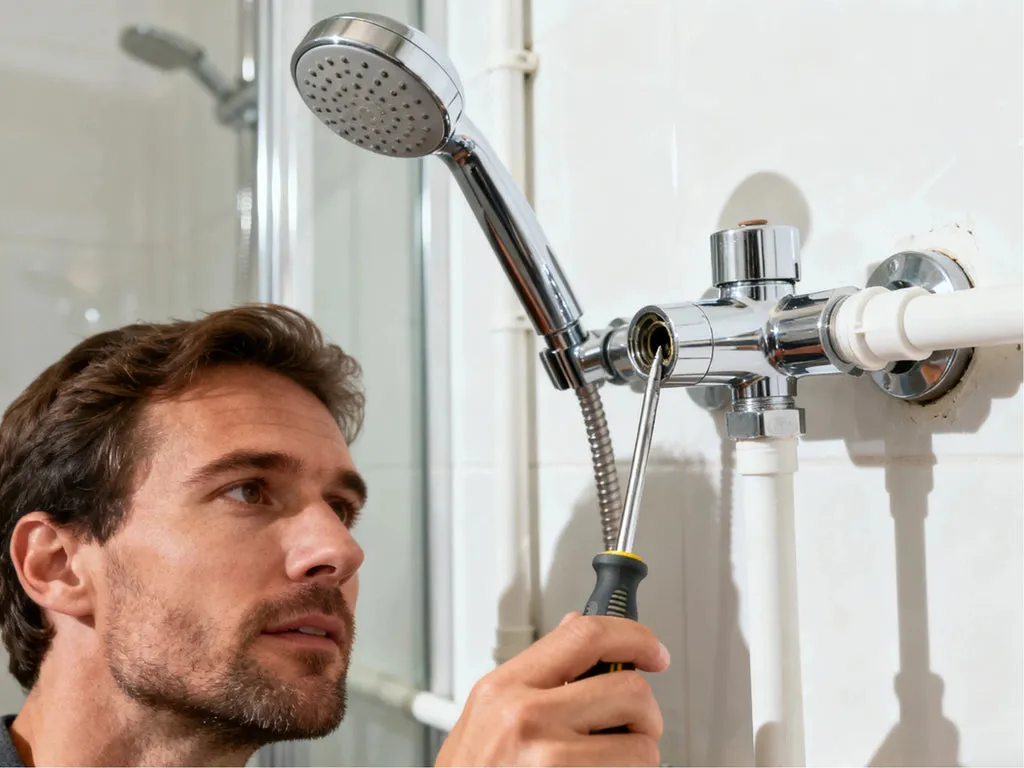
For many Staten Island homebuyers, a general home inspection is often considered the final step before celebrating a property purchase. While a standard inspection may confirm that the foundation, electrical systems, roofing, and other major components are in good condition, it typically does not evaluate the actual safety and chemistry of the water flowing through household fixtures. Independent lead water testing in Staten Island can help identify outlet-specific contamination concerns that traditional inspections may overlook, including potential issues affecting faucets, showerheads, and other water outlets.
This situation can be surprising for new homeowners. If the plumbing appears modern, there are no visible leaks, and the inspection report shows no structural concerns, how can water quality problems still exist? The answer lies in the difference between a visual property assessment and a detailed chemical analysis of the water system.
A home inspector evaluates the physical condition of pipes, fixtures, and plumbing components, but they cannot observe microscopic interactions occurring between water, materials, and internal surfaces. Factors such as corrosion, fixture materials, water chemistry, and localized contamination can influence water quality without creating visible warning signs.
Professional water testing provides the additional information needed to understand what is actually coming from household taps. By combining traditional home inspections with laboratory water analysis, buyers can gain a more complete picture of a property’s condition and make informed decisions about water safety before finalizing a purchase.
The Inspection Blind Spot
A standard home inspection is primarily a visual and functional check. The inspector turns on the shower to ensure there is adequate pressure and that the drain works. They check under the sink for active drips. If the duplex was built or renovated recently, they might see shiny copper or flexible PEX tubing and mark the plumbing as “Satisfactory.”
However, water quality is an invisible metric. As highlighted in recent , contamination often occurs at the “Point of Use”—the very last inch of the plumbing system. In a Staten Island duplex, where plumbing systems are often interconnected or have undergone piecemeal upgrades over decades, the showerhead can become a localized “hot zone” for contaminants that a general inspection simply isn’t designed to catch.
Why the Showerhead? The “Galvanic” Culprit
If a water test fails at the showerhead for heavy metals like lead or copper, the culprit is often Galvanic Corrosion. This occurs when two dissimilar metals—such as an old galvanized steel pipe behind the wall and a modern brass shower arm—are connected without a proper dielectric union.
Even in a duplex that looks modern, remnants of the original 1950s plumbing may still exist in the “wet walls” between units. When water sits stagnant in these mixed-metal junctions, an electrochemical reaction occurs, leaching metals into the water. Because we don’t drink from the showerhead, this issue often goes unnoticed until a comprehensive water test is performed.
On our , we’ve documented cases where the “passed” kitchen tap showed no lead, but the master shower failed significantly due to a single decorative brass fixture interacting with aging iron pipes behind the tile.
The Bacterial Breeding Ground: Biofilms and Stagnation
Another reason for a failed test at the showerhead is the presence of Biofilms. Showerheads are unique because they are “low-flow” environments that experience frequent temperature fluctuations. In a duplex, if one unit has been vacant for several months during the sale process, the water in the shower riser becomes stagnant.
This stagnation allows for the growth of Legionella and other opportunistic pathogens. These bacteria don’t live in the city’s water main; they grow in the “slime” layer inside the showerhead’s rubber nozzles. A general inspector will see a working shower; a lab technician will see a bacterial colony.
Why the “First Draw” Matters
Staten Island homeowners are often surprised to learn that how the water is collected changes the result. A “First Draw” sample—water that has sat in the pipes for at least six hours—is the most likely to fail. This is because it captures the maximum concentration of leached metals. If the inspector ran the water for several minutes to check the hot water heater before the water test was taken, they might have accidentally “flushed” the evidence of a problem that returns every morning when the new owners take their first shower.
Taking Action: Beyond the Inspection
If you are moving into a Staten Island duplex, a passed inspection should be the beginning of your due diligence, not the end. To ensure your “spa-like” shower isn’t a health hazard, consider these steps:
- Request a Point-of-Use Test: Don’t just test the kitchen sink. Test the fixtures you use most, including the primary shower.
- Inspect the “Stubs”: Have a plumber look at the pipe “stubs” coming out of the wall behind shower escutcheons to ensure there are no direct connections between dissimilar metals.
- Replace Old Showerheads: One of the cheapest and most effective ways to reduce bacterial risk is to start fresh with new, high-quality showerheads and perform a “high-heat flush” of the lines.
Conclusion: Trust the Lab, Not Just the Eye
A home is a significant investment, especially in the competitive Staten Island market. While a passed inspection gives you peace of mind regarding the roof and the boiler, only a dedicated water test can tell you the truth about what is coming out of your tap. When a duplex “fails” at the showerhead, it isn’t a reason to walk away from the deal—it’s a roadmap for the specific repairs needed to make the home truly safe.
Your health is worth more than a visual “Satisfactory” mark. By understanding the hidden chemistry of your plumbing, you can ensure that your new home is a sanctuary from the moment you turn on the tap.
If you are facing a confusing water test result or need a professional to look closer at a specific fixture, please today. We can help you interpret your lab reports and find the specific source of contamination in your home.