
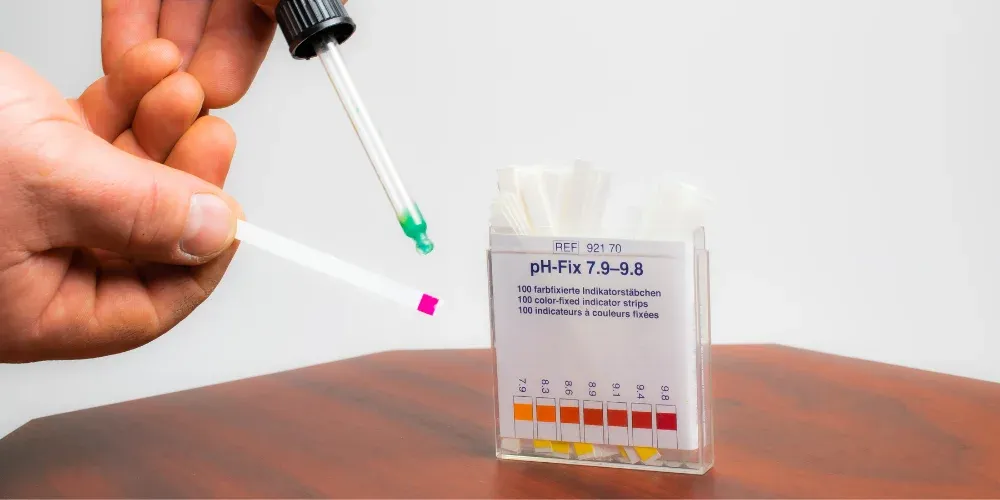
For property owners and residents of multi-unit buildings across Staten Island—from the established apartment complexes in St. George to the newer townhome developments in Tottenville—the quality of tap water is often taken for granted. We assume that because the water is treated by the city and delivered through modern infrastructure, it is inherently balanced. However, as we move through 2026, recent are highlighting a persistent and corrosive duo: low pH levels and elevated copper concentrations.
This isn’t just an “old building” problem. In many multi-unit systems, the combination of specific source water chemistry and the sheer volume of copper piping within the walls creates a perfect storm for leaching. When water is slightly acidic (low pH), it acts as a solvent, slowly dissolving the very pipes designed to carry it. For Staten Island residents, this chemical imbalance results in a distinct metallic taste, blue-green staining on fixtures, and potential long-term health concerns.
The Science of “Aggressive” Water
To understand why copper is appearing at the tap, we have to look at the pH scale. Ideally, drinking water should sit at a neutral $7.0$ or slightly higher. When the pH drops below $6.5$, the water becomes “acidic” or “aggressive.”
In Staten Island, the water supply often originates from upstate reservoirs. While this water is exceptionally pure, it is also “soft”—meaning it lacks the minerals like calcium that typically provide a buffer against acidity. When this soft, low-pH water enters a large multi-unit building with hundreds of feet of copper risers and branch lines, it begins to “seek” minerals to balance itself. It finds those minerals by stripping copper ions from the interior walls of the plumbing.
This phenomenon is a core focus of our ongoing into urban water distribution. Without a stable pH, even the highest grade of L-type copper pipe can begin to thin, eventually leading to pinhole leaks and a steady increase in dissolved metals at the faucet.
Why Multi-Unit Buildings Are at Higher Risk
Multi-family dwellings face unique challenges that single-family homes do not. The scale of the plumbing system and the patterns of water usage play a significant role in the concentration of copper.
1. Increased Contact Time
In large buildings, water may travel through a massive network of pipes before reaching a top-floor unit. If a building has low occupancy or if certain units are vacant, the water sits stagnant in the copper lines for extended periods. This increased “contact time” allows the acidic water to pull more copper into the solution.
2. The Absence of Protective Scale
In a balanced system, a thin layer of mineral scale (calcium carbonate) eventually forms inside the pipes, acting as a barrier between the water and the metal. However, in low-pH systems, this scale can never form. The pipes remain “raw” and exposed to the water’s corrosive touch for the life of the building.
3. Temperature and Velocity
Multi-unit buildings often maintain high-temperature hot water loops to ensure instant heat for all residents. Heat accelerates the chemical reaction between acidic water and copper. On our , we frequently note that copper levels are almost always higher in the hot water tap than in the cold, a direct result of this thermal acceleration.
Identifying the Symptoms of Low pH and Copper
For the average Staten Island resident, you don’t need a lab to see the initial signs of a pH imbalance. Your home provides several visual and sensory clues:
- Blue-Green Staining: The most obvious sign is a persistent turquoise stain on white porcelain sinks, bathtubs, or in toilet bowls. This is literally “liquid copper” that has oxidized once it hit the air.
- Metallic or Bitter Taste: Water with high copper levels often has a sharp, metallic “penny” taste, particularly in the morning after the water has sat in the pipes overnight.
- Stained Blonde Hair: In severe cases, residents may notice a faint green tint to light-colored hair after showering, as the copper bonds to the proteins in the hair shaft.
While the sets an “Action Level” for copper at 1.3 mg/L, even lower levels can cause aesthetic issues and significant plumbing damage over time.
The Health and Structural Stakes
The presence of copper isn’t just a matter of taste. From a health perspective, short-term exposure to high levels of copper can cause gastrointestinal distress, including nausea and stomach cramps. Long-term exposure, particularly for vulnerable populations, can be more serious.
Structurally, the cost of low-pH water is staggering. For a Staten Island homeowners association (HOA) or building manager, acidic water is a “slow-motion” financial disaster. Pinhole leaks behind walls lead to mold growth, damaged drywall, and eventually, the need for a total building repipe—a project that can cost millions in a large multi-unit complex.
Solutions: Balancing the System
Addressing low pH and high copper requires a dual approach that looks at both the building’s infrastructure and the resident’s point of use.
- Building-Wide Neutralization: For multi-unit managers, the most effective solution is the installation of a pH neutralization system at the water main. These systems typically use a calcite media to naturally raise the pH of the incoming water, making it non-aggressive before it ever touches the building’s copper.
- Point-of-Use Filtration: For individual residents, a high-quality carbon block filter or a Reverse Osmosis (RO) system is highly effective. RO membranes are particularly adept at removing dissolved metal ions like copper, ensuring the water you drink is neutral and clean.
- The “Morning Flush”: A simple, no-cost tactic for residents is to run the cold water for 30–60 seconds in the morning. This clears the “stagnant” water that has been sitting in the unit’s internal copper lines overnight.
Conclusion: A Visible Warning of an Invisible Problem
The blue-green stains in a Staten Island bathtub are more than just a cleaning chore; they are a visual report card of the building’s water chemistry. Low pH and high copper are persistent issues in our local infrastructure, but they are not unsolvable. By acknowledging the “aggressive” nature of our source water and taking proactive steps to neutralize and filter it, we can protect both our health and our homes.
Property managers and residents alike must stay informed. The plumbing that delivers our water is an investment worth protecting. If you are seeing the signs of copper leaching, the time to act is before a pinhole leak becomes a flood.
If you are a resident or building manager dealing with persistent metallic tastes or staining, please today. We can help you navigate the complexities of water testing and find a solution that stabilizes your building’s chemistry for the long term.