
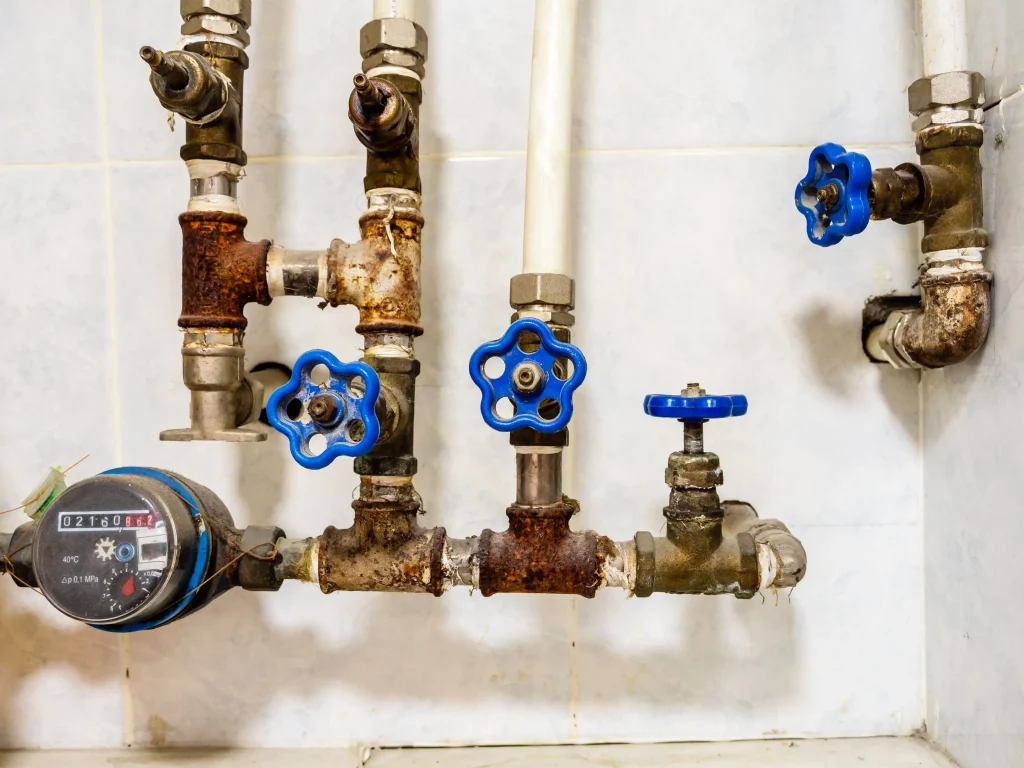
New York City’s tap water has long been hailed as the “champagne of drinking water.” Sourced from the pristine Catskill and Delaware watersheds, it usually reaches the five boroughs with a level of purity that other major cities envy. However, as we move through 2026, a new chemical reality is emerging in the “pre-war” apartments and older multi-unit buildings that define the city’s skyline.
Recent lab samples are showing a surprising spike in chloride levels at the tap. While the city’s Department of Environmental Protection (DEP) works tirelessly to maintain the source, the interaction between modern urban runoff and the aging internal plumbing of NYC’s residential buildings is creating a corrosive combination. For residents in the Upper West Side, Brooklyn Heights, and Astoria, finding out your fixtures are failing for chloride is a signal that your building’s infrastructure is under a “salty” assault.
The Source of the Salt: Road Salt and the Croton System
To understand the chloride spike, we have to look north. While 90% of NYC’s water comes from the rural Catskills, roughly 10% comes from the Croton Watershed in Westchester and Putnam counties. Unlike the more remote watersheds, the Croton system is surrounded by suburban development and major highways.
Decades of road salt application on the Taconic State Parkway and local Westchester roads have caused a slow but steady “salinization” of these reservoirs. In fact, current into regional water quality have highlighted that chloride concentrations in the Croton system have tripled over the last thirty years. When the city blends Croton water into the system—especially during drought conditions or when Catskill aqueducts are offline for maintenance—chloride levels at the NYC tap can rise significantly.
Why Chloride is the “Quiet Corrodor” of Older Plumbing
In the context of a 100-year-old New York apartment building, chloride is a particularly dangerous guest. Unlike some contaminants that affect health directly at low levels, chloride’s primary threat in an urban environment is its corrosivity.
1. Breaking the Protective Barrier
NYC water is treated with phosphoric acid to create a protective “film” inside the pipes, designed to prevent lead from leaching into the water. However, chloride is an aggressive ion that can penetrate and break down this protective coating. In older multi-unit buildings that still have lead service lines or lead-soldered copper pipes, a spike in chloride can lead to a secondary failure: a spike in lead levels.
2. Pitting Corrosion in Brass and Copper
Most pre-war NYC apartments utilize a mix of brass and copper in their vertical risers. High chloride levels facilitate “pitting corrosion,” a localized form of attack that creates tiny, deep holes in the metal. This is the primary reason for the mysterious pinhole leaks that plague older buildings, often resulting in expensive “wet wall” repairs.
3. Deterioration of Galvanized Pipes
Many older NYC buildings still have segments of galvanized steel piping. Chloride accelerates the rust process in these pipes, leading to the “rusty water” or “brown water” events that residents often report after the water has been turned off for maintenance. We discuss these specific and their interactions with old iron on our blog.
Aesthetic Signs: How to Spot High Chloride
Chloride levels typically need to exceed the EPA Secondary Standard of 250 mg/L before they are detectable by taste. However, even at lower levels, you might notice:
- The “Salty” Aftertaste: A faint, briny flavor in your coffee or tea.
- Rapid Appliance Failure: If your high-end espresso machine or steam oven is failing due to “internal corrosion” within a few years, chloride is a likely culprit.
- Fixture Discoloration: Unusual spotting or white, crusty mineral buildup on your designer chrome or nickel-finished faucets.
As we’ve noted in our , these aesthetic issues are often the first sign that the building’s internal plumbing chemistry has shifted.
The Multi-Unit Challenge: The “First Draw” Problem
In NYC high-rises and walk-ups, the “First Draw” (the water that has sat in your unit’s pipes overnight) is the most vulnerable. While the water in the building’s main riser might be flowing and fresh, the water in the 10 or 20 feet of pipe leading to your kitchen tap is where the chloride has the most time to react with the metal.
This is a common topic in our . Many residents find that their water passes the city’s basic testing but fails a detailed lab panel because the city’s test doesn’t always account for the specific leaching happening inside your individual apartment’s branch lines.
Solutions: Protecting Your Apartment
If your NYC apartment has shown high chloride or you’ve noticed signs of corrosion, there are steps you can take:
Point-of-Use Reverse Osmosis (RO) Standard carbon filters (like the ones built into refrigerators) are ineffective against dissolved salts like chloride. Only a Reverse Osmosis system—which uses a semi-permeable membrane—can effectively strip chloride ions from the water. This is the gold standard for protecting both your health and your high-end kitchen appliances.
Strategic Flushing As a simple first step, run your cold water for at least 30 to 60 seconds every morning. This flushes the high-chloride, stagnant water out of your unit’s internal lines and replaces it with “fresh” water from the building’s main riser.
Building-Wide Audits If you are part of a Co-op or Condo board, consider a building-wide water audit. Monitoring the chloride levels as water enters the building versus when it reaches the top floors can help identify where the internal plumbing is failing. You can find more on these building-wide in our recent guide.
Conclusion: The Evolving Quality of the “Champagne of Tap”
New York City’s water remains some of the best in the world, but it is not immune to the realities of a 21st-century urban environment. The rise of chloride in older multi-unit plumbing is a reminder that water quality is a “living” issue that changes with the seasons and the age of our infrastructure.
By staying proactive with testing and understanding the unique chemistry of your building, you can ensure that your apartment remains a sanctuary of clean water.
If you have noticed a change in the taste of your water or if your fixtures are showing signs of premature wear, please today. We can help you interpret your water results and find the right filtration solution for your NYC home. You can also reach out to our page to discuss building-wide testing protocols.