
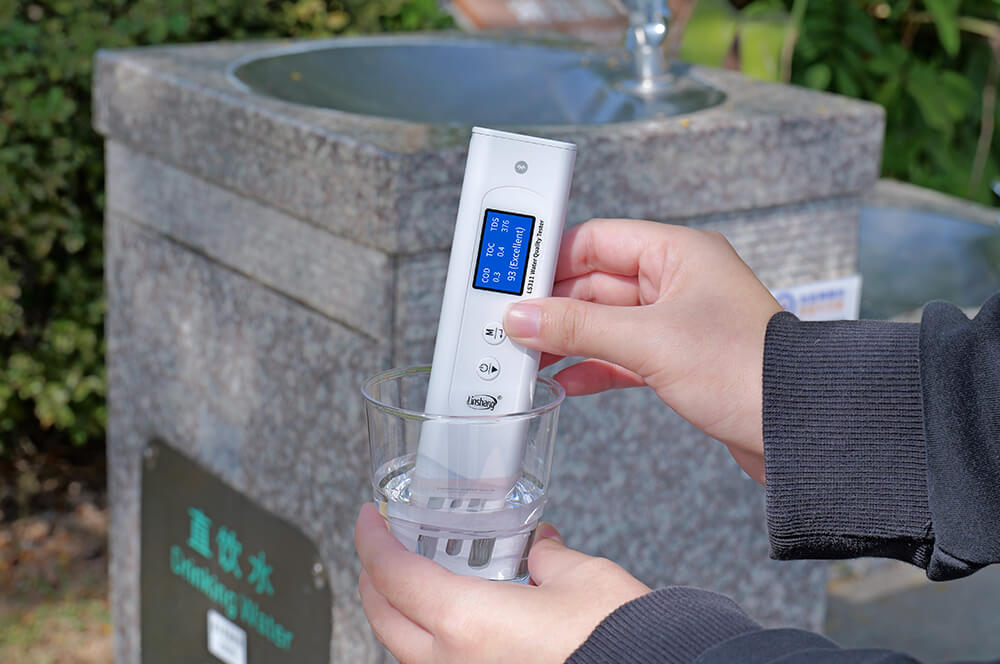
We invest significant time and money maintaining our homes by servicing HVAC systems, inspecting roofs, repairing appliances, and addressing structural concerns before they become expensive problems. However, one important area is often overlooked: plumbing and water quality. The water flowing through a home’s pipes affects everyday activities such as drinking, cooking, cleaning, and bathing, yet potential issues may remain unnoticed without proper evaluation. Certified water testing services in Brooklyn can help identify hidden contaminants, provide valuable insight into household water conditions, and support both family health and long-term property protection.
Many homeowners assume that clear, odor-free tap water is automatically safe, but appearance alone cannot reveal the presence of certain contaminants. Water quality can change due to factors such as seasonal weather conditions, aging infrastructure, plumbing materials, corrosion, and environmental changes. These factors may affect water after it leaves the treatment facility and before it reaches individual household faucets.
Regular monitoring and professional testing provide homeowners with a clearer understanding of their water supply. Annual evaluations, including lead testing in Manhattan’s drinking water, can help detect potential concerns early and provide reliable information needed to make informed decisions about filtration, plumbing maintenance, and other protective measures.
Just as routine home maintenance helps prevent costly repairs, proactive water testing helps homeowners identify hidden risks before they become larger concerns. Understanding the quality of the water inside your home is an important step toward protecting your property, your family, and your long-term peace of mind.
The Reality of the “Last Mile”
When you receive your municipal Consumer Confidence Report (CCR), you are looking at a snapshot of water as it leaves the treatment facility. This document is a vital piece of data, but it is not a complete map of what is occurring in your own kitchen.
The “last mile”—the journey water takes from the city main into your home’s private plumbing—is where the profile of your water often changes. As water travels through service lines and interior pipes, it can pick up contaminants from lead solder, galvanized steel, or even bio-films that accumulate over time. An annual, independent water test helps you bridge the gap between municipal compliance and the reality at your faucet. For those who want to see the bigger picture, exploring local water investigations can help identify if your specific neighborhood is prone to particular infrastructure issues that warrant closer monitoring.
Detecting the Invisible
Perhaps the most compelling reason for regular testing is that the most dangerous contaminants are often invisible. You cannot taste, smell, or see lead, arsenic, or a variety of PFAS—the “forever chemicals” that have become a national topic of concern.
By the time you notice an aesthetic change in your water, such as a metallic taste or a change in color, the issue may have been present for quite some time. Annual testing acts as a preventive measure, catching these issues while they are still manageable. It provides you with a longitudinal view of your home’s water quality, allowing you to see if there are subtle shifts in mineral content or chemical presence that might signal a need for filtration or plumbing upgrades.
Protecting Your Infrastructure
Beyond health, water testing is a smart financial decision for your home’s hardware. High levels of mineral hardness—calcium and magnesium—can be devastating to your home’s infrastructure. Hard water acts like sandpaper on your plumbing and acts as an insulator in your water heater, causing it to work harder and fail sooner.
By understanding your water’s hardness profile through regular research, you can make informed decisions about installing a water softener or a filtration system. This isn’t just about better-tasting water; it’s about extending the life of your dishwasher, washing machine, and water heater, ultimately saving you thousands of dollars in premature repairs and replacements.
Adapting to Environmental Shifts
Water quality is rarely constant. It responds to the environment. Heavy rainfall can increase the risk of surface contaminants entering groundwater, particularly for well owners. Periods of drought can increase the concentration of minerals in your supply. If you live in an area with high agricultural activity, seasonal runoff can introduce nitrates that fluctuate throughout the year.
Relying on a test from three years ago is like driving with an old map; the terrain has likely changed. Annual testing allows you to adapt your home’s water management strategies to the current conditions of your watershed. Whether that means adjusting your filter settings or simply being more vigilant during certain seasons, a yearly check-in keeps you in control.
A Data-Driven Approach to Peace of Mind
There is a profound sense of relief that comes with knowing, rather than assuming. When you have a certified lab report in hand, you are no longer guessing about the safety of your family’s drinking water. You have a factual baseline.
If you are unsure where to begin, or if the terminology in a report seems daunting, you don’t have to navigate it by yourself. You can rely on professional guidance to interpret your findings and recommend the right next steps for your household. If you are ready to take a more proactive role in your home’s health, reaching out for expert assistance is the logical next move. Professionals can help you determine the right testing frequency for your specific situation—whether you are on city water, a private well, or a shared community system.
The Bottom Line
An annual water test is a small price to pay for the long-term security of your home. It empowers you to:
- Identify potential health risks before they become acute.
- Protect your home’s appliances and plumbing from unnecessary damage.
- Verify the effectiveness of any existing water treatment systems.
- Stay Informed about the evolving quality of your local water source.
We often think of “home maintenance” as something that involves a wrench or a ladder, but monitoring your water is equally important. It is the lifeblood of your household, and it deserves the same level of care and attention as any other major system in your home. By making annual water testing a consistent part of your yearly home maintenance routine, you aren’t just checking a box—you are investing in the long-term health and safety of your family.