
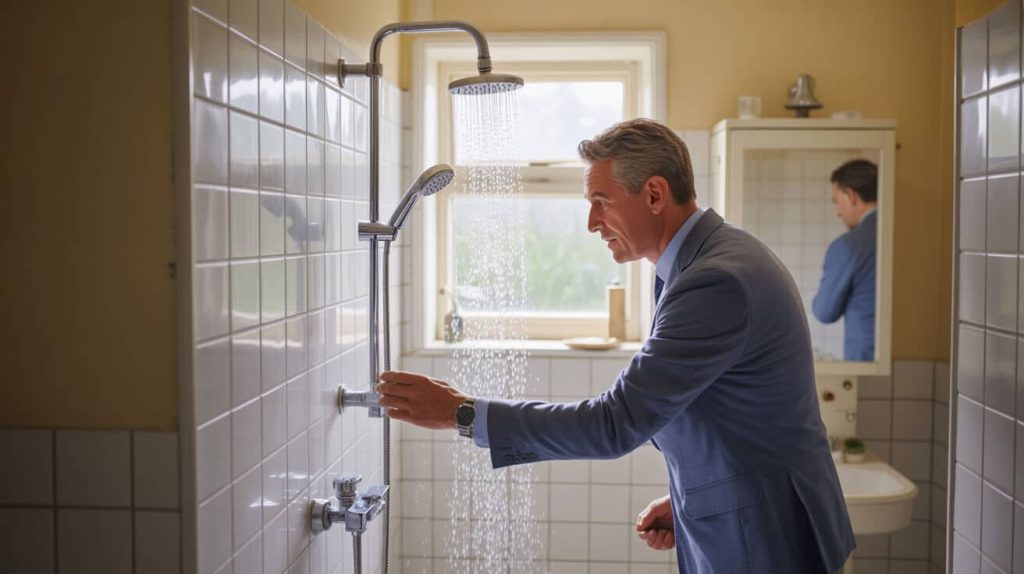
In the Bronx, a borough defined by its resilient communities and historic architecture, a quiet crisis is flowing through the taps of thousands of rental units. As of March 2026, the intersection of aging infrastructure and administrative delay has reached a boiling point. While the city’s water supply remains world-class at its source, the “last mile” of delivery—the pipes owned and maintained by private landlords—is failing. Bronx tenants are increasingly reporting discolored water, metallic odors, and elevated lead levels, leading to a surge in 311 complaints and a new wave of legal investigations into property management negligence.
Scrutiny of Bronx landlords has increased following the 2026 “Rental Ripoff Hearings,” where residents from Highbridge to Pelham Bay shared concerns about delayed water remediation. These delays can pose serious public health risks and reveal gaps between housing regulations and real-world enforcement. Similar preventive measures, including office water lead testing for Manhattan firms, help identify contamination and support timely corrective action.
The Strategy of Silence: Why Remediation Stalls
In the competitive NYC real estate market, water quality issues are often treated as “invisible” repairs. Unlike a broken elevator or a lack of heat, which trigger immediate and obvious violations, poor water quality can be subtle. Many Bronx landlords have historically relied on a “reactive” maintenance model, only addressing plumbing when a pipe literally bursts.
However, modern research shows that the most dangerous water failures are those that occur slowly. Lead leaching from 1950s-era solder or internal corrosion in galvanized risers doesn’t always turn the water brown. When tenants report a strange taste or skin irritation, they are often met with “the water is fine” or “the city is doing street work.” This deflection is a key part of the delay. By the time a landlord is forced to act, the biological or chemical contaminant types have often been present in the lines for months, if not years.
The Lead Pipe Replacement Act and the Ownership Loophole
A major focal point of the current scrutiny is the New York State Lead Pipe Replacement Act, which aims for 100% replacement of lead service lines by 2037. While the city’s DEP offers free service line replacements for eligible homeowners, a significant “ownership loophole” exists for larger Bronx apartment complexes.
Because these service lines and internal plumbing systems are privately owned, the DEP cannot mandate replacement without owner consent unless a violation is already present. Many landlords hesitate to participate in “no-cost” programs because they fear the required investigations might uncover other expensive building code violations. This hesitation has left thousands of Bronx families drinking from pipes that were legally obsolete sixty years ago. As we discuss on our blog, this “wait and see” approach is becoming legally indefensible as tenant groups organize to demand independent tap testing.
Health Impacts and the Environmental Justice Gap
The delay in remediation is not distributed equally. Bronx neighborhoods, which often face the highest rates of asthma and environmental health challenges, are also the most likely to have “unknown” service line materials. The health impacts of this neglect are compounding. Chronic exposure to low-level lead or copper from corroding pipes can lead to:
- Neurological Risks: Developmental delays in the borough’s high population of young children.
- Chronic Health Conditions: Hypertension and renal stress in elderly tenants.
- Biofilm Exposure: Stagnant water in poorly maintained risers can harbor bacteria that traditional municipal testing—which stops at the street—rarely catches.
In 2026, the Bronx accounts for nearly a third of all 311 habitability complaints in New York City. The narrative is shifting from “bad plumbing” to a matter of environmental justice. Residents are no longer accepting the excuse of “old building” as a valid reason for contaminated water.
The Rise of the HP Proceeding: Tenants Fight Back
Faced with landlord inaction, Bronx tenants are increasingly turning to “HP proceedings” in Housing Court. These are lawsuits specifically designed to force landlords to make essential repairs. Unlike rent strikes, which can be legally risky, an HP action targets the habitability of the unit itself.
A successful HP action in 2026 often requires more than just a photo of brown water; it requires scientific research and lab-certified tap results. Tenants are now pooling their resources to conduct their own water audits, presenting hard data that proves the building’s internal plumbing is degrading the city’s clean water supply. This shift from anecdotal complaints to data-driven litigation is finally forcing management companies to move water remediation from the “deferred” list to the “urgent” list.
The 2026 Deadline: Transparency or Penalty
New York City’s Local Law 84 now requires large buildings to benchmark their water use, but residents are pushing for this to include water quality transparency. Under the proposed “Water Safety Dashboard” legislation currently being debated in the City Council, landlords would be required to post the results of annual tap tests in common areas, similar to how elevator inspections are displayed.
For Bronx landlords, the era of opacity is ending. The combination of stricter state laws, increased tenant advocacy, and more accessible investigations means that delaying remediation is becoming more expensive than fixing the problem. Between 311-driven civil penalties—which can reach $1,000 per day for uncorrected hot water violations—and the risk of class-action toxic torts, the “business case” for clean water has never been stronger.
Practical Steps for Bronx Tenants
If you are a tenant in the Bronx dealing with unresponsive management regarding your water quality, you have specific rights under the NYC Housing Maintenance Code:
- Document and Notify: Send a certified letter to your landlord detailing the water issues. A 311 call is a start, but a paper trail is essential for court.
- Request a Free Lead Test: The NYC DEP provides free lead test kits. Use it to establish a baseline.
- Coordinate with Neighbors: If multiple units are experiencing the same issue, it is a building-wide failure, not an “isolated internal condition.”
- Perform Independent Research: Don’t rely on the landlord’s “representative” test from the basement. A research-backed tap test from your specific kitchen is the only way to verify safety.
Conclusion: Closing the Remediation Gap
The scrutiny facing Bronx landlords in 2026 is a necessary step toward borough-wide health equity. Our water is a public right, and the pipes that carry it should not be a secret. As the city moves toward its 2037 goal of a lead-free infrastructure, the pressure on private owners to fulfill their “last mile” responsibility will only grow.
The most effective next step for any Bronx resident or tenant association currently facing remediation delays is to stop waiting for the landlord to act. If you have reported an issue and seen no change, the best path forward is to contact a specialist today. Whether you need an independent audit to bring to Housing Court or help interpreting results from a city test, we can help you turn the tide on water safety in your building.