
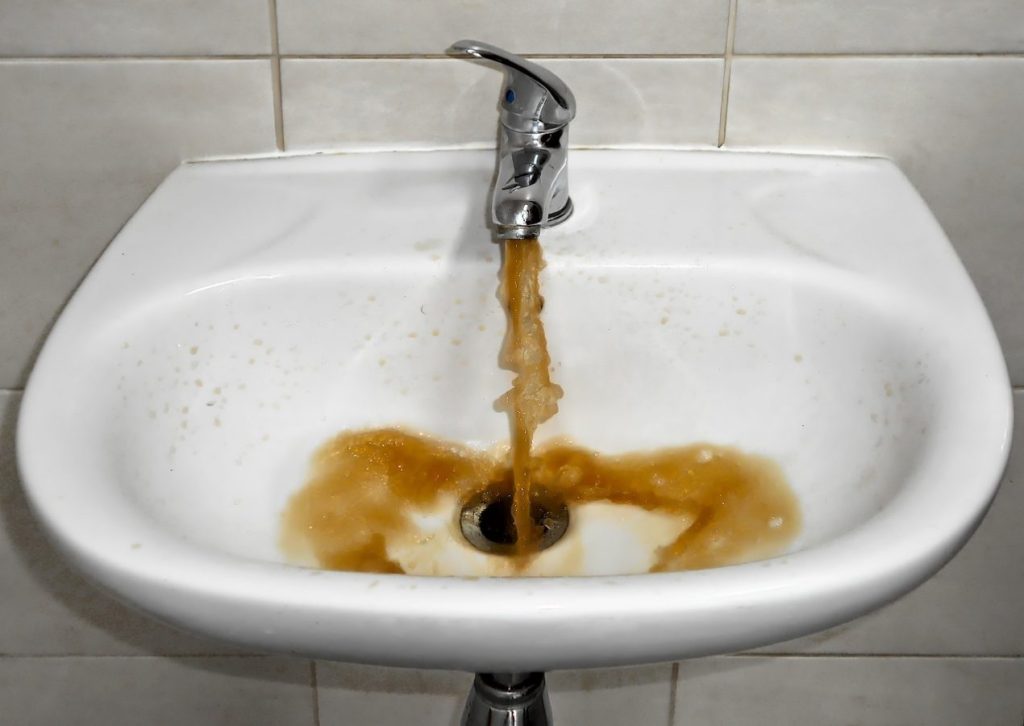
As spring 2026 unfolds, Bronx residents are raising growing concerns about urban water safety. Reports of discolored, sulfur-smelling, and metallic-tasting water in Soundview, Riverdale, and Highbridge suggest that municipal results may not reflect the quality reaching individual taps. Similar concerns highlight the importance of lead water testing across Bronx to identify contamination within neighborhood and building plumbing systems.
These “tap failures” are more than just an aesthetic nuisance; they are a symptom of a systemic gap in how water safety is measured and reported. In a borough where much of the housing stock relies on mid-century plumbing, the traditional metrics used by utility providers are increasingly proving insufficient to capture the real-world risks faced by families in aging developments.
The Disconnect: Utility Compliance vs. Point-of-Use Reality
The core of the issue lies in where and how water is tested. The NYC Department of Environmental Protection (DEP) performs thousands of tests annually at reservoirs and within the massive water mains that snake beneath the city streets. These investigations almost always show that the water is pristine when it leaves the treatment facility. However, the legal responsibility of the utility often ends at the property line.
Once water enters a building, it travels through the “last mile” of infrastructure—the private pipes, risers, and storage tanks that are the responsibility of the building owner. In the Bronx, many large-scale residential complexes, such as the Mitchell-Lama developments built in the 1950s and 60s, still utilize original galvanized steel and lead-soldered pipes. Recent research indicates that while the city’s water chemistry is managed to be non-corrosive, the physical age of these internal systems can still trigger the release of iron, manganese, and lead.
The “Passed” Inspection Paradox
A recurring theme in the 2026 Bronx water crisis is the building that “passes” its municipal inspection but fails independent lab testing. Under current regulations, building owners are often only required to perform basic bacteriological tests on water storage tanks. If the tank is free of E. coli, it receives a passing grade.
However, a passing grade for a roof tank does nothing to address the heavy metals leaching from a corroded riser three floors below. Residents in buildings like Jamie Towers have reported years of battling brown water despite management-led tests showing “satisfactory” results. This discrepancy occurs because utility reporting often relies on “representative sampling”—testing a few taps in a basement or a lobby—rather than performing the rigorous “first-draw” testing required to catch localized lead or sediment pulses.
The Mechanics of Tap Failure: Scouring and Chemical Shocks
The Bronx’s water issues are often exacerbated by the very infrastructure work intended to improve the city. In 2026, major repairs on the Delaware Aqueduct and localized main replacements have led to frequent changes in water pressure and sourcing. These “pressure pulses” create a scouring effect inside the old pipes of Bronx apartment buildings.
When the velocity of water changes suddenly, it physically strips the mineral scale and oxidized iron (rust) from the interior of the pipes. This sediment then flows directly into the taps of residents. While the DEP often dismisses this discoloration as “harmless minerals,” the presence of sediment can shield bacteria from chlorine and provide a vehicle for lead “fines”—tiny particles of lead that are far more hazardous than dissolved lead. Our blog has frequently highlighted how these physical disturbances are the primary trigger for sudden tap failures.
The Reporting Gap: Why Tenants Feel Left in the Dark
Transparency remains a significant hurdle for Bronx residents. While the city publishes an annual Water Quality Report, these documents are often highly technical and reflect averages rather than the extremes experienced in specific neighborhoods. For a tenant staring at a bathtub full of coffee-colored water, a report saying the borough-wide average for iron is within limits offers little comfort.
Furthermore, utility reporting timelines are often slow. A “deferral” in compliance or a delay in infrastructure upgrades might be noted in a PDF buried on a website, but many residents—particularly those in marginalized communities—never receive direct notification. This lack of real-time communication has led to a push for more localized investigations and a demand for building-specific water safety dashboards.
Health Impacts of Aging “Last Mile” Pipes
The health impacts of these infrastructure failures are a major concern for Bronx health advocates. Chronic exposure to the contaminants found in failing taps—even at levels that are technically “legal”—can have long-term consequences.
- Lead Ingestion: Even low levels of lead can cause cognitive decline and developmental issues in children.
- Skin and Respiratory Irritation: High levels of chlorine and sulfurous compounds can exacerbate eczema and asthma, both of which have high prevalence rates in the Bronx.
- Gastrointestinal Issues: Sediment-heavy water can harbor biofilms and bacteria that cause persistent stomach discomfort.
The 2026 Bronx tap failures have made it clear that “legally safe” is not the same as “health-protective,” especially when the testing doesn’t reflect the highest-risk scenarios in the home.
Bridging the Gap: The Role of Independent Testing
Given the limitations of utility reporting, many Bronx residents are taking matters into their own hands. Independent research and private lab testing have become essential tools for tenants looking to prove that their water is unsafe. Unlike building-led tests, private audits often use “stagnant-sample” protocols, which capture the water after it has sat in the pipes for several hours—the exact water a family might use for their first cup of coffee in the morning.
These independent tests have been instrumental in forcing management to install filtration systems or begin the long process of pipe replacement. However, the cost of these tests often falls on the residents, creating a “safety gap” between those who can afford to verify their water and those who cannot.
Moving Toward a New Reporting Standard
The solution to the Bronx water crisis requires a fundamental shift in how we approach water safety in 2026. We must move beyond the “representative sample” and embrace a more granular, point-of-use reporting system. This includes:
- Mandatory Tap Testing: Requiring buildings to perform “first-draw” lead and sediment tests in a percentage of individual units, not just the basement.
- Real-Time Alerts: Utilizing smart sensors in water mains to notify residents immediately when a “scouring event” or pressure change is likely to affect their tap.
- Full Infrastructure Transparency: Providing tenants with a clear map of the pipe materials used in their specific building, including the presence of lead solder or galvanized steel.
Conclusion: Reclaiming the Tap in the Bronx
The tap failures in the Bronx are a wake-up call for New York City. They remind us that our water safety is only as strong as the oldest pipe in our distribution network. As we invest in multi-billion dollar reservoir upgrades, we cannot afford to ignore the “last mile” that delivers that water to the families who need it most.
The most effective next step for any Bronx resident concerned about their water is to move from suspicion to data. If you are experiencing discoloration, strange odors, or if you simply want to know what is in your glass, the best path forward is to contact a specialist today. We can help you perform an independent audit of your home and give you the evidence you need to demand a safer, clearer future for your community.