
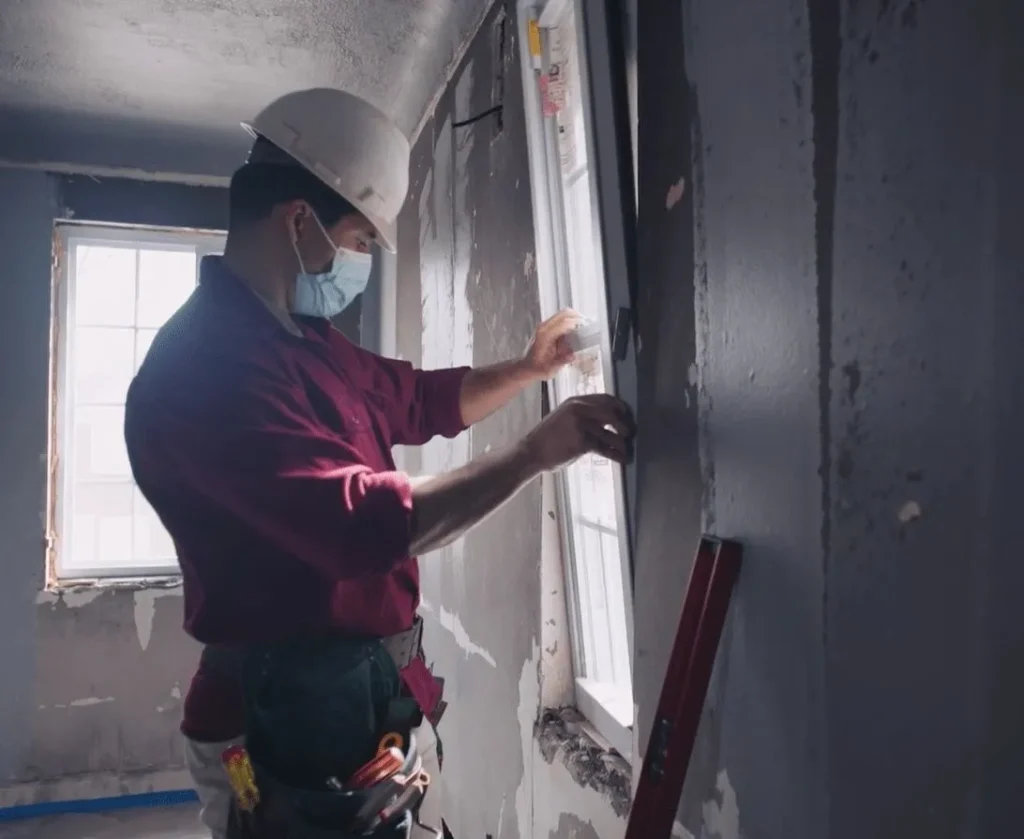
In the high-stakes real estate market of Fort Lee, a “gut renovation” is often seen as the ultimate value-add. For sellers in the luxury towers along Palisade Avenue or the modern duplexes near the George Washington Bridge, presenting a home with brand-new copper plumbing and designer faucets is usually a guarantee of a smooth closing. However, as we move through 2026, a jarring trend is emerging: sellers are discovering elevated lead levels in their water—not despite their renovations, but sometimes because of how they were handled.
Imagine the scenario: the staging is perfect, the “Lead-Free” disclosure is signed based on the new plumbing, and the buyer’s bank requires a final water panel. The results come back, and the lead levels are well above the 15 ppb Action Level. For a Fort Lee seller, this isn’t just a deal-killer; it’s a confusing legal and structural puzzle. If the pipes are new, where is the lead coming from?
The “Solder Trap”: When New Pipes Meet Old Habits
The most common culprit in post-renovation lead spikes is often the very material used to join those shiny new copper pipes: solder. While lead-based solder was federally banned in 1986, it is still occasionally found in the kits of uncertified contractors or salvaged from older supply stocks.
Even when “lead-free” solder is used, “sloppy” soldering techniques can cause issues. If a plumber uses excessive flux or overheats the joints, it can cause the metals to pool and leach more aggressively into the water. This is a focal point of our , where we’ve found that the first few months of a new plumbing system are often the most volatile for metal leaching.
The Brass Fixture Loophole
Fort Lee is known for its high-end aesthetic. Sellers often install ornate, heavy brass faucets in kitchens and master suites to justify a premium asking price. However, many sellers (and even some contractors) are unaware that the legal definition of “Lead-Free” changed in 2014.
Before that shift, “lead-free” brass could contain up to 8% lead. Today, that limit is 0.25%. If a seller used “New Old Stock” fixtures or imported designer taps that don’t meet current NSF/ANSI 61 standards, the fixture itself becomes a miniature lead factory. When water sits in these fixtures overnight—as it often does in a staged, unoccupied home—the lead concentration spikes, resulting in a failed lab panel during the due diligence period.
The Impact of New Jersey’s 2025 Lead Laws
This issue has become a major “closing table” hurdle due to the 2025 New Jersey Lead Disclosure and Testing Requisites (A2929/S1034). Signed into law in late 2025, this legislation has drastically increased the transparency required during property transfers.
In 2026, “I didn’t know” is no longer a valid legal defense for a seller. The law now requires explicit disclosure of known or potential lead hazards. When a post-reno lab panel shows elevated lead, the seller is now legally obligated to disclose this to all future prospective buyers, effectively tanking the property’s marketability until the issue is remediated. This intersection of law and chemistry is a recurring theme in our .
Physical Disturbances: The “Service Line” Shock
Sometimes, the renovation itself is what triggers the lead release. If a Fort Lee home has an older lead service line—the pipe connecting the house to the city main—the vibration and “hammering” of a major internal plumbing renovation can knock loose “scales” of lead-rich sediment.
These particles then travel into the home and get trapped in the aerators of the brand-new faucets. The seller thinks they’ve replaced everything, but they’ve actually just “shaken the tree” of the one old pipe that remains. On our , we’ve seen numerous cases where a partial renovation (replacing everything inside the house but not the service line) leads to higher lead levels than before the work started.
How to Salvage the Sale: Remediation Steps
If you are a Fort Lee seller facing a failed lead test after a renovation, the clock is ticking. Here is how to address the “Post-Reno Lead Spike” efficiently:
- Perform a “High-Velocity Flush”: Sometimes, the lead is simply residual “construction dust” or solder flux. Remove all faucet aerators and run cold water at full pressure through every tap for 15–30 minutes. This clears the physical debris that may be causing the spike.
- Test the Fixtures Individually: If the kitchen passes but the bathroom fails, the problem is likely the faucet itself. Replacing a $500 faucet is a much cheaper solution than a full repipe.
- Check the Aerators: Often, a “fail” is caused by a few milligrams of lead solder trapped in the tiny screen of the faucet. Cleaning or replacing aerators is the first step in any strategy.
- Install a “Sales-Saving” Filter: If the lead source is the street-side service line (which may take weeks for the city to replace), installing an NSF-53 certified under-sink filter can allow the sale to proceed by ensuring the water at the tap is safe for the new owners.
The Importance of Pre-Listing Testing
The lesson for Fort Lee sellers in 2026 is clear: test early. Don’t wait for the buyer’s inspector to find a problem. By running a comprehensive lab panel immediately after your renovation is complete, you have the time to flush the system, replace a faulty fixture, or clean out construction debris without the pressure of a closing deadline.
We provide a detailed breakdown of these scenarios in our , helping homeowners distinguish between city-wide infrastructure issues and home-specific plumbing errors.
Conclusion: New Pipes, New Responsibility
A renovation in a city as historic as Fort Lee is a complex undertaking. While new copper and brass represent an upgrade, they also represent a new chemical environment. A failed lead test in a “new” home is a frustrating irony, but it is one that can be managed with the right data and a proactive approach.
For sellers, transparency is the best policy. By identifying and fixing lead spikes before the home hits the market, you protect your investment, your reputation, and the health of the next family to call your house a home.
If you are a seller or a real estate professional dealing with a confusing post-renovation water report, please today. We can help you interpret your lab results and connect you with the right points for remediation specialists in Bergen County.