
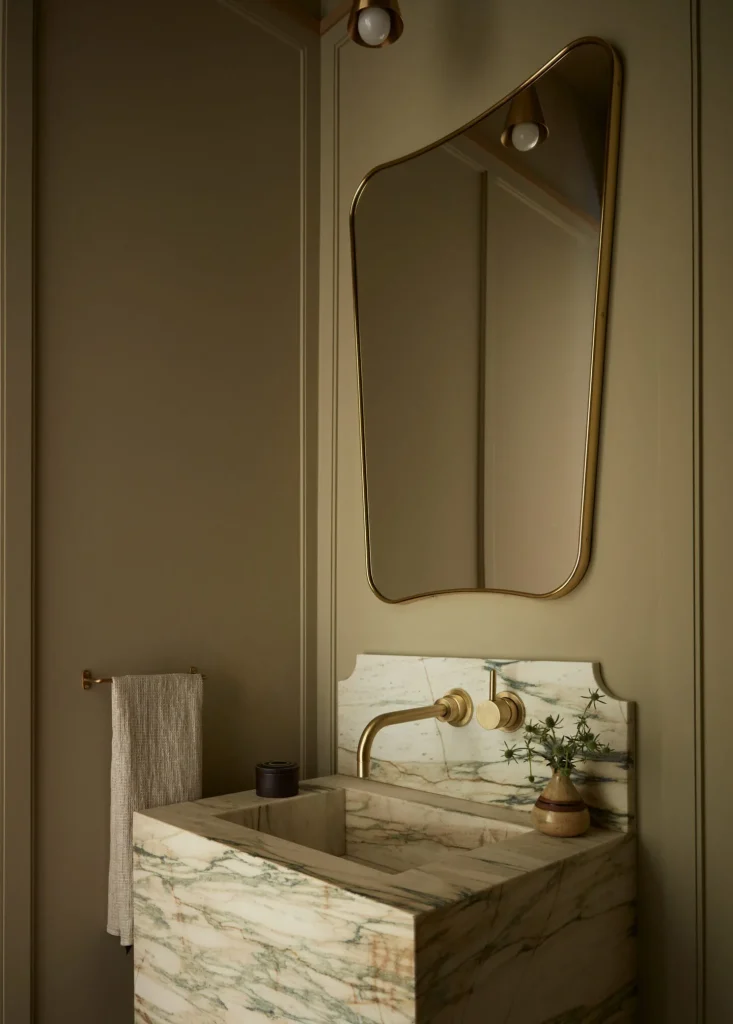
Hoboken’s historic brownstones remain some of the most desirable properties in North Jersey, admired for their ornate limestone facades, detailed craftsmanship, and century-old architectural character. While many of these homes now feature modern interiors with upgraded brass faucets, rainfall showers, and designer appliances, new fixtures alone do not always guarantee safe and reliable water quality. Heavy metals testing for drinking water in Hoboken can help identify contaminants that may be introduced through plumbing materials, fixtures, or interactions between water chemistry and building infrastructure.
However, as we move through 2026, a growing concern is emerging among both Uptown and downtown Hoboken residents. Homeowners are discovering signs of active corrosion, including blue-green staining around fixtures, metallic tastes in drinking water, and pinhole leaks in plumbing systems, even in properties that underwent complete renovations within the last decade.
These issues highlight an important reality: new fixtures do not always equal safe water. Modern plumbing components can still be affected by the chemistry of urban water systems and their interaction with existing infrastructure. In historic homes, newer materials often connect with older service lines, pipes, or building components, creating conditions where corrosion and metal release may occur.
If homeowners notice unusual staining, changes in taste, or signs of corrosion in a recently renovated brownstone, the issue may extend beyond the appearance of the fixtures. Understanding the relationship between water chemistry, plumbing materials, and building infrastructure is essential for identifying the source of these concerns and maintaining safer household water quality.
The “Renovated Pipe” Paradox
The most common cause of corrosion in a renovated Hoboken brownstone is the partial replacement of plumbing. During a typical renovation, a contractor might replace the visible pipes behind the bathroom wall with modern copper or PEX, but leave the original cast-iron or galvanized steel pipes in the “wet walls” or the main service line under the sidewalk.
This creates a scenario for Galvanic Corrosion. When a new copper pipe is connected directly to an old galvanized steel pipe, the two different metals create a battery-like effect. The presence of water acts as an electrolyte, causing the “less noble” metal (the steel) to corrode at an accelerated rate.
Even if you have the most expensive “lead-free” brass fixtures, the debris from this hidden corrosion upstream is carried directly into your high-end faucet aerators. This is why many residents find “sand” or “grit” in their taps despite having a “new” house. For more on how these materials interact, you can explore our into historic plumbing failures.
The Aggressive Nature of “Soft” Water
The water supplied to Hoboken primarily originates from surface reservoirs. While this water is highly treated and clear, it is often “soft,” meaning it lacks a high mineral content. While soft water is great for your hair and skin, it can be “aggressive” toward metal.
In a balanced system, minerals like calcium form a thin, protective “scale” inside your pipes, acting as a shield. Because Hoboken’s water is often slightly acidic or lacks these minerals, that protective shield never forms. The water remains in direct contact with the raw copper of your new pipes or the brass of your new fixtures. Over time, the water literally “eats” the metal, leading to the blue-green staining often seen on Hoboken’s white porcelain tiles.
This chemical imbalance is a recurring theme in our regarding North Jersey water quality. Without a stable pH, even the highest-quality plumbing remains vulnerable.
Why Modern Fixtures Still Fail Tests
Many brownstone owners are shocked when a water test fails for copper or lead after they’ve spent thousands on “safe” fixtures. There are two main reasons for this:
- Fixture Leaching: As we move through 2026, we are seeing more cases of “Point-of-Use” leaching. Even “lead-free” brass can contain trace amounts of metals. When water sits stagnant in a large, ornate faucet overnight, it has hours to pull those metals into the liquid.
- The “Stagnant Riser” Effect: Brownstones are vertical homes. Water may sit in the long vertical risers for hours while you are at work. This increased “contact time” with the pipe walls is the primary driver of high metal concentrations.
We frequently address these specific “New Home/Old Pipe” dilemmas in our . The reality is that the treatment plant standards do not always reflect the reality of the water after it has sat in your home’s vertical plumbing for eight hours.
The Warning Signs for Brownstone Owners
If you live in a Hoboken brownstone, watch for these specific “SOS” signals from your plumbing:
- The “Morning Penny” Taste: A sharp, metallic taste in the first glass of water in the morning.
- Persistent Aerator Clogs: If you have to clean your faucet screens more than once every six months, your pipes are “shedding” internal corrosion.
- Blue-Green Rings: Staining in the bathtub or sink that returns shortly after cleaning.
- Pinhole Leaks: Small, localized “sweating” on copper pipes in the basement, often covered in a white or green crust.
According to the , maintaining your internal plumbing is as important as the municipal treatment itself. On our , we’ve highlighted how these early warning signs are often ignored until a major leak occurs behind the plaster.
Solutions: Protecting Your Historic Investment
Restoring water clarity and stopping corrosion in a brownstone requires a layered approach:
1. Point-of-Entry (POE) Filtration Installing a whole-house sediment and carbon filter where the water main enters your basement is the first line of defense. This catches the rust and scale from the street before it can settle in your new fixtures.
2. Dielectric Unions If you still have any original pipes in your home, ensure that a plumber has installed dielectric unions. These are specialized fittings that use a plastic spacer to physically separate dissimilar metals, breaking the electrical circuit that causes galvanic corrosion.
3. Point-of-Use Reverse Osmosis (RO) For drinking and cooking, an RO system is the only way to ensure that the metals leached from your fixtures or old solder are removed. The semi-permeable membrane acts as a final “gatekeeper,” providing bottled-water quality regardless of the state of the building’s pipes.
Conclusion: Preservation Starts with the Pipes
A Hoboken brownstone is more than just a home; it is a piece of history. While we put significant effort into preserving the original moldings and mahogany doors, the health of the plumbing system is what truly ensures the home’s longevity. Modern fixtures are a wonderful upgrade, but they are only as good as the water flowing through them.
By recognizing that corrosion can happen even in a “modern” renovation, you can take the proactive steps needed to stabilize your water chemistry. Whether it’s through targeted filtration or a professional plumbing audit, the goal is the same: water that is as clean as the home is beautiful.
If you are dealing with persistent staining or odd tastes in your Hoboken home, please today. We can help you navigate the testing process and find a solution that protects both your family and your historic property.