
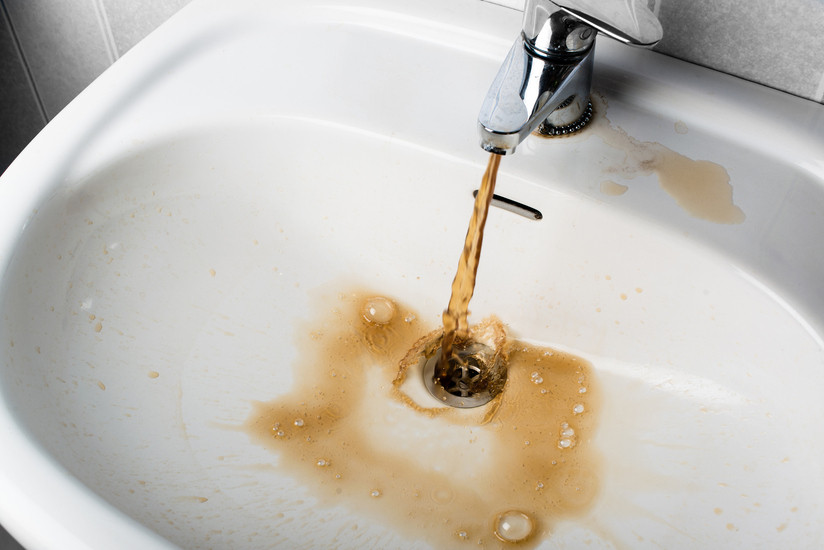
As summer temperatures rise across the five boroughs in 2026, residents from Greenpoint to Bay Ridge are reporting an increase in concerns related to discolored water. While a temporary rusty tint may sometimes appear after hydrant use, water main activity, or changes in pressure, growing reports of amber-colored water and brown sediment are drawing attention to potential infrastructure-related issues.
Discoloration can occur when materials inside aging pipes become disturbed and enter the water supply. Older plumbing systems, corrosion, sediment buildup, and deteriorating infrastructure may all contribute to changes in water appearance and quality. However, visual signs alone cannot determine whether harmful contaminants are present. Drinking water testing for lead in Brooklyn can help homeowners identify whether aging pipes, fixtures, or internal plumbing systems are introducing lead or other contaminants into household taps.
Professional water testing provides a clearer understanding of what is happening beyond what can be seen or noticed through taste and smell. By analyzing water samples directly from household fixtures, residents can determine whether concerns are related to harmless sediment or more serious water quality issues.
As New York City’s infrastructure continues to age, proactive monitoring and testing are becoming increasingly important for protecting household water safety. Identifying potential problems early allows residents to take informed steps toward maintaining cleaner, safer, and more reliable drinking water.
At the heart of this spike is a complex intersection of historic plumbing, seasonal demand, and shifting climate patterns. While city officials often reassure the public that discolored water is merely an aesthetic concern, many residents remain skeptical. Recent investigations into localized water quality suggest that when the water turns brown, it is often a visible indicator of deeper chemical and structural changes occurring within the “last mile” of our distribution network.
The Summer Surge: Why Now?
The increase in discoloration reports during the summer months is no coincidence. As temperatures rise, so does the demand for water. Whether it is the increased use of air conditioning cooling towers, the filling of backyard pools, or the NYC Department of Environmental Protection (DEP) flushing hydrants to maintain pressure, the velocity of water moving through Brooklyn’s mains increases significantly.
This high-velocity flow creates a “scouring” effect. Brooklyn’s water mains, many of which are made of unlined cast iron and date back over half a century, have a thick interior coating of mineral scale and oxidized iron. When the water moves faster than usual, it physically strips this material away, suspending it in the water that eventually reaches your home. According to recent research on urban water patterns, these “scouring events” are the primary cause of the sudden, localized discoloration that has come to define a Brooklyn summer.
More Than Just Rust: The Chemical Complexity of Brown Water
While “rust” (iron oxide) is the most common culprit for the brown color, it is rarely the only substance present. In the older neighborhoods of Brooklyn, the same conditions that cause iron to flake off also disturb other legacy contaminants. Manganese, which can create a yellow or blackish tint, is frequently found alongside iron.
More concerning is the potential for lead and copper to “hitchhike” on these sediment particles. If a home is served by a lead service line or contains old lead solder, the physical disturbance of a scouring event can dislodge lead “fines”—tiny particles of the metal that are far more hazardous than dissolved lead. For families in renovated brownstones, the water might look “fine” most of the year, but a summer surge can bring these hidden hazards to the surface. This is a topic we explore deeply on our blog, focusing on how physical infrastructure dictates chemical safety.
The Impact of Climate Change on Brooklyn’s Pipes
2026 has been a year of record-breaking precipitation and fluctuating temperatures. These environmental factors play a significant role in water discoloration. Heavy rainfall can cause microscopic shifts in the soil surrounding our underground pipes. In areas of Brooklyn with high water tables or older sewer systems, these shifts can stress aging water mains, leading to “pinhole” leaks or the intake of soil minerals.
Additionally, warmer water temperatures in the summer can slightly alter the chemistry of the water as it travels from the reservoirs. Warmer water is naturally more corrosive, meaning it is more likely to react with the interior of the pipes and the sediment sitting at the bottom of the mains. This makes the summer of 2026 a “perfect storm” for discoloration, as the physical demand for water meets a more reactive chemical environment.
Interpreting the 311 Data: A Neighborhood Breakdown
The spike in complaints isn’t distributed evenly across the borough. Data from early 2026 shows a concentration of reports in neighborhoods undergoing rapid redevelopment. In areas like Bushwick and East New York, where new residential towers are being connected to century-old mains, the constant shutting off and turning on of water valves creates “pressure pulses.”
These pulses are particularly effective at dislodging sediment. Residents in these “construction zones” often report that their water turns brown several times a week, often coinciding with local street work. This has led to a push for more transparent investigations into how developers manage the impact of their projects on the existing water quality of the surrounding blocks.
Health Impacts and the “Aesthetic” Label
The official stance from municipal agencies is often that discolored water is “safe to drink” as long as the discoloration is temporary. However, the blog community and environmental advocates point out that this doesn’t account for the potential biological risks. Sediment provides a “surface area” for bacteria to cling to, protecting them from the chlorine used to disinfect the city’s water.
Furthermore, high levels of iron and manganese can have localized effects. Beyond the staining of laundry and porcelain, discolored water can cause skin irritation for those with sensitive conditions like eczema—a common complaint during a hot, humid Brooklyn summer. For many, the “aesthetic” label feels like a minimization of a genuine quality-of-life and health concern.
Practical Solutions for Brooklyn Residents
If you find yourself among the thousands of Brooklynites dealing with discolored water this summer, there are several steps you can take to protect your home.
- The Cold Water Flush: If you notice discoloration, run only the cold water in your bathtub for 15 to 20 minutes. Avoid using hot water during this time, as you don’t want to pull sediment into your water heater, where it can settle and cause long-term damage.
- Filter Maintenance: If you have a whole-house or under-sink filter, check it immediately after a discoloration event. These pulses of sediment can clog a filter in a matter of minutes, rendering it useless or even becoming a source of bacterial growth.
- Document and Report: Continue to report these issues to 311. While it may feel repetitive, this data is what drives research and future infrastructure funding.
For those looking for permanent protection, point-of-entry (POE) sediment filters are becoming a standard addition to Brooklyn homes. These systems catch the “slugs” of iron and manganese as they enter the house, ensuring that the water remains clear regardless of what is happening in the street.
Conclusion: Demanding a Clearer Future
The summer of 2026 has been a wake-up call for the borough. The spike in water discoloration reports is a visible reminder that we cannot take our most basic resource for granted. As Brooklyn continues to grow and our climate continues to shift, the pressure on our historic pipes will only increase. We must move beyond “flushing the lines” as a primary strategy and look toward comprehensive infrastructure renewal.
The most effective next step for any concerned resident is to verify the safety of their own tap. If you are experiencing persistent discoloration or if you are concerned about what the sediment might be carrying, the best path forward is to contact a specialist today to schedule a comprehensive water audit. By taking ownership of your “last mile” of water safety, you can ensure that your home remains a healthy sanctuary, no matter how high the summer complaints spike.