
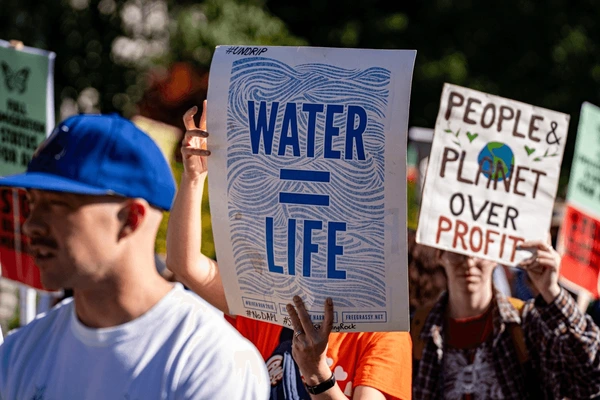
In Manhattan’s prestigious prewar cooperatives and rental buildings, residents are increasingly calling for greater transparency and accountability around tap water safety. Across neighborhoods such as the Upper West Side, Greenwich Village, and Upper East Side, historic architecture and elegant interiors remain highly valued, but they are no longer enough to reassure occupants about the condition of their drinking water. Older plumbing systems, aging building stacks, and internal infrastructure can influence water quality after it leaves the municipal supply. Independent testing from Manhattan lead testing company can help residents obtain reliable information about potential chemical contaminants and plumbing-related risks.
The growing demand for testing is driven by a simple realization: while Manhattan’s upstate reservoir water is widely recognized for its quality, the “last mile” of delivery through decades-old building plumbing can create additional challenges. Pipes, fixtures, storage systems, and internal distribution networks may affect water before it reaches individual apartments, creating concerns that are not always reflected in general municipal reports.
For many shareholders and tenants, relying only on building records or lobby certificates is no longer enough. Residents are increasingly seeking independent, data-driven investigations that provide a clearer picture of actual water conditions inside aging residential properties.
As awareness continues to grow, professional water testing is becoming an important tool for understanding how building infrastructure affects everyday water quality. By combining reliable laboratory analysis with transparent reporting, residents and property managers can make informed decisions about maintenance, improvements, and long-term water safety.
The Transparency Gap: Why Municipal Reports Aren’t Enough
Every year, New York City releases an expansive Water Quality Report that confirms the city meets or exceeds all federal safety standards. However, savvy Manhattan residents have begun to point out the inherent limitation of these documents: they measure water at the source and in the city-owned mains, not at the kitchen tap of a 12th-story prewar apartment.
In prewar structures, the water must travel through a labyrinth of internal risers, branch lines, and potentially outdated storage tanks before it reaches the resident. According to recent research into urban distribution, the internal plumbing of private buildings is where the vast majority of water quality degradation occurs. Because these internal systems are the responsibility of the building owner or co-op board, they fall outside the direct reporting requirements of the DEP. This “transparency gap” is precisely what Manhattan resident groups are now organizing to close.
The Lead and Copper Legacy in Prewar Plumbing
The primary driver for the demand for transparency is the lingering presence of lead. While the city banned lead pipes in 1961, the “lead-free” definition for solder and brass fixtures was not tightened until much later. In Manhattan’s prewar stock, it is common to find copper pipes joined with lead-based solder or original brass faucets that leach significant amounts of the metal.
In early 2026, several high-profile investigations have revealed that even buildings with modernized basements often have original “dead legs”—sections of pipe that were bypassed but not removed—where lead and bacteria can accumulate. Residents are now calling for “Full Material Disclosure,” a policy where building management must provide a verified map of all internal pipe materials to every tenant and prospective buyer.
The Push for Real-Time Monitoring and Monthly Audits
The demand for transparency has evolved beyond the annual test. In 2026, Manhattan residents are increasingly calling for the installation of smart, real-time water quality sensors at the building’s point of entry and within key risers. These devices can track fluctuations in pH, chlorine residuals, and turbidity—data points that are often the first indicators of a pipe failure or a chemical shift.
Furthermore, there is a growing trend of “Tenant-Led Testing Circles.” In these groups, neighbors coordinate their own independent lab tests to compare results across different floors and lines. This grassroots research has frequently caught issues that building-wide annual inspections missed, such as localized spikes in copper or sediment caused by a failing pump or a specific section of corroding galvanized steel. On our blog, we have documented how these resident-led efforts are forcing boards to prioritize plumbing infrastructure over lobby aesthetics.
Health Impacts and the “Right to Know”
The urgency of this movement is fueled by a deeper understanding of the health impacts of chronic, low-level exposure to heavy metals. While acute lead poisoning is rare in Manhattan’s premier buildings, the subtle effects of long-term ingestion—such as hypertension in adults and cognitive delays in children—are a primary concern for the borough’s families.
The “Right to Know” movement in 2026 argues that water quality data should be as accessible as a building’s energy efficiency rating or its elevator inspection record. Residents are advocating for a “Water Safety Dashboard” for every building, which would include:
- The Most Recent Lab Results: Not just for bacteria, but for lead, copper, and PFAS.
- Maintenance Logs: Records of when water tanks were last cleaned and when filters were replaced.
- Material Inventory: A clear statement on whether lead-solder or galvanized pipes remain in the building’s distribution system.
The Economic Reality: Transparency as a Value Driver
From a real estate perspective, transparency is becoming a competitive advantage. In the competitive 2026 Manhattan market, savvy buyers are performing “Water Due Diligence” before signing a contract on a prewar co-op. Buildings that can provide a clean, transparent history of water investigations are seeing higher valuations and faster sales.
Conversely, buildings that resist transparency are being met with skepticism. Tenant associations in rental buildings are increasingly using “poor water quality transparency” as a bargaining chip in lease negotiations and 311 complaints. The message is clear: in a borough defined by its history, the one legacy residents will no longer accept is an opaque water system.
Practical Steps for Residents Seeking Transparency
If you live in a Manhattan prewar building and want to advocate for better transparency, there are several effective strategies:
- Form a Water Committee: Work with your co-op board or tenant association to make water quality a standing agenda item.
- Request Raw Data: Ask management for the actual lab reports, not just a summary letter. Check for the “limit of detection” used by the lab.
- Coordinate Independent Audits: Use third-party research to verify building claims. A “first-draw” test in a top-floor unit is often the most revealing data point.
By moving from passive consumption to active oversight, residents can protect both their health and their property values. As we highlight in our recent investigations, the most safe buildings in New York are not those with the newest pipes, but those with the most informed and engaged residents.
Conclusion: A New Standard for Manhattan Living
The demand for water safety transparency in Manhattan’s prewar buildings is not a trend; it is a permanent shift in urban living standards. As we move further into 2026, the expectation of “pure water at every tap” is becoming a baseline requirement for residents across the borough. We must celebrate the beauty of our historic buildings while ensuring they meet the health requirements of the modern age.
The most effective next step for any Manhattan resident who feels kept in the dark about their building’s water quality is to take the first sample themselves. If you are ready to move from suspicion to certainty, the best path forward is to contact a specialist today. Whether you need an independent audit of your apartment or help interpreting results from a building-wide test, we can help you lead the charge for transparency in your community.