
For many residents of Richmond County, the annual water quality reports released by municipal authorities are a source of comfort. These documents typically show that the water leaving the massive treatment facilities and reservoirs upstate is of exceptional quality, meeting or exceeding federal safety standards. However, as we move through 2026, a disconnect is becoming increasingly apparent: the water quality at the kitchen tap in a Staten Island home often tells a very different story than the data recorded at the treatment plant.
While the “source” water may be pristine, the journey that water takes to reach your glass is long, complex, and fraught with aging infrastructure. Recent into localized water quality suggest that the “final mile” of delivery—the network of pipes under our streets and inside our homes—is where the real contamination occurs. For Staten Island families, understanding why tap quality lags behind plant standards is essential for making informed decisions about home filtration.
The “Treatment Plant” Illusion
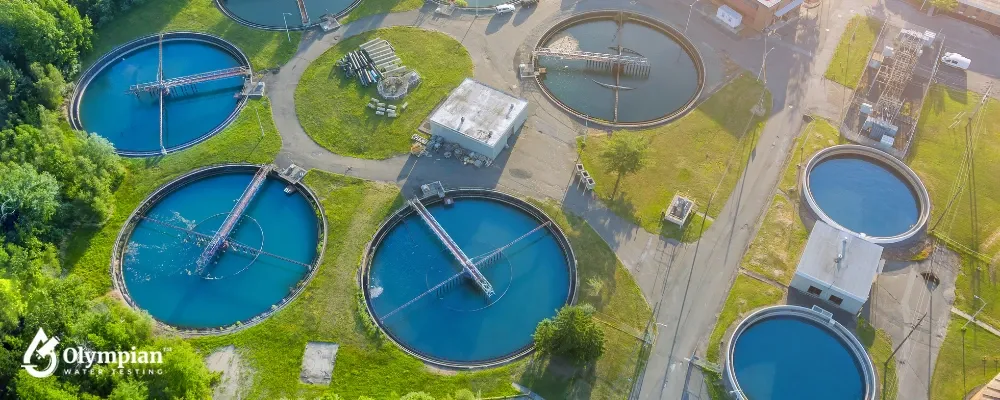
When the city reports on water quality, they are usually measuring “finished water” at the point where it enters the distribution system. At this stage, the water has been filtered, disinfected with chlorine, and balanced for pH. In a controlled laboratory setting at the plant, the water is a gold-standard product.
However, Staten Island is the end of the line for much of the city’s water infrastructure. By the time that water reaches a neighborhood like Great Kills or Tottenville, it has traveled through miles of tunnels and pipes, some of which have been in the ground for nearly a century. This journey introduces several variables that the treatment plant’s data simply cannot account for.
The Degradation of the “Disinfection Shield”
One of the primary issues identified in recent is the dissipation of chlorine residuals. Chlorine is added at the treatment plant to act as a shield, killing bacteria and viruses as the water moves through the pipes.
In high-density or sprawling areas of Staten Island, the “water age” increases. This means the water sits in the pipes for longer periods. As the water ages, the chlorine naturally dissipates. If the residual levels drop too low before the water reaches your tap, the “disinfection shield” fails. This allows for the growth of biofilms—slimy layers of bacteria—on the interior walls of the water mains. When you turn on your tap, you may be receiving water that has lost its protection and picked up localized biological contaminants along the way.
The Infrastructure Gap: Iron and Turbidity
The physical state of Staten Island’s underground pipes is another major factor in the tap-vs-plant discrepancy. Much of the island’s distribution network relies on unlined cast-iron mains. Over decades, these pipes develop a layer of internal rust known as tuberculation.
While the water leaving the plant is crystal clear, it can become “turbid” or cloudy as it travels through these iron pipes. Any change in water pressure—whether from a nearby fire hydrant use or a localized water main repair—can scour the rust and sediment from the pipe walls. On our , we frequently document how these “sediment surges” result in brown or yellow water at the tap, even when the treatment plant reports show no issues with iron or clarity.
The “Last Mile” Contamination: Lead and Copper
The most significant lag in quality occurs within the service lines and internal plumbing of Staten Island homes. The treatment plant cannot account for the lead service lines that still connect thousands of older homes to the city main, nor can it account for the lead solder used in copper plumbing prior to 1986.
According to the , lead and copper enter the water not at the plant, but through the corrosion of these plumbing materials. If the water is even slightly aggressive, it pulls these metals into the water as it sits stagnant in your home’s pipes overnight. This is why a “First Draw” sample taken at a Staten Island kitchen sink often fails for lead, even if the city’s main distribution line is lead-free. The plant standards are a measure of the system’s potential, but the tap test is a measure of your home’s reality.
Identifying the Discrepancy in Your Home
If you suspect your tap water quality is lagging behind the official reports, there are several visual and sensory cues to look for:
- Persistent Chlorine Smell: This often indicates “spent” chlorine or chloramines, which form when chlorine reacts with organic matter in aging pipes.
- Metallic Tastes: A sharp, penny-like taste often points to copper leaching from your internal pipes or iron from the street mains.
- Fine Grit or Sediment: Finding “sand” in your faucet aerators is a clear sign that the physical integrity of the distribution pipes is failing.
These issues are symptomatic of a system where the “end-user” experience has been decoupled from the “source” data.
Bridging the Gap: Solutions for the Homeowner
Because the municipal authorities focus on the system as a whole, it falls to the individual homeowner to ensure that the “final mile” of water delivery is safe. Bridging the gap between plant standards and tap reality requires a localized approach to filtration:
1. Point-of-Entry (POE) Sediment Filtration Installing a whole-house sediment filter acts as a primary barrier. It catches the rust, silt, and pipe scale that the water picks up as it travels through Staten Island’s aging mains, protecting your appliances and your skin.
2. Point-of-Use (POU) Reverse Osmosis For drinking and cooking water, a Reverse Osmosis (RO) system is the most comprehensive solution. RO membranes are designed to strip away the lead, copper, and chemical byproducts that enter the water after it leaves the treatment plant. It essentially “re-treats” the water the moment before it enters your glass.
3. Regular Faucet Maintenance Cleaning your faucet aerators every few months is a simple way to see what your pipes are “shedding.” If you find significant debris, it is a sign that your internal plumbing or service line needs a professional inspection.
Conclusion: Trust, but Verify
Staten Island residents should take pride in the high-quality water sources that New York City provides. However, we must also be realistic about the aging machinery that delivers that water to our homes. A treatment plant report is a promise of quality at the source, but only a tap-level water test is a guarantee of safety at the sink.
By understanding that water quality is a journey, not a static state, we can take the necessary steps to protect our families. Whether it is through advanced filtration or regular testing, taking control of your water at the point of use ensures that the water you drink actually matches the standards you’ve been promised.
If you are concerned about the difference between your tap water and the official reports, please today. We can help you arrange for localized testing and find a filtration solution that ensures your water is as pure as it was when it left the reservoir.