
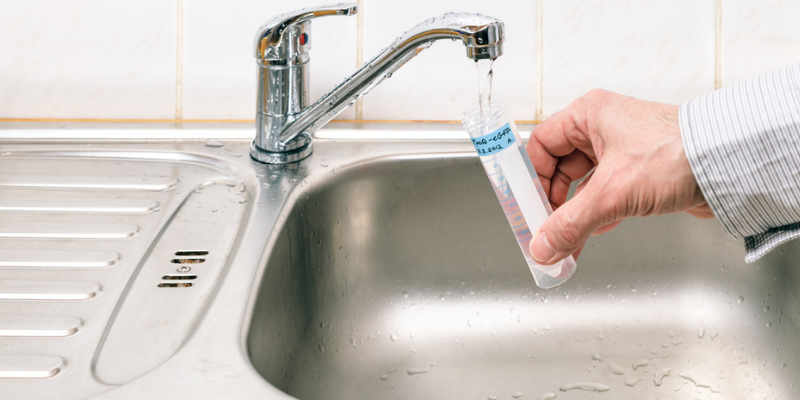
For most of us, turning on the tap is an act of blind faith. We trust that the water flowing into our homes is clean, safe, and free of anything that might cause us harm. While municipal treatment facilities do an incredible job of processing millions of gallons of water daily, the journey from the plant to your kitchen sink is long and complex. Along that path, water can pick up a variety of contaminants, some of which are invisible, odorless, and tasteless.
As a homeowner, the responsibility for what ultimately reaches your glass often lands in your hands. Understanding the top contaminants to watch for is the first step toward safeguarding your household. Whether you are connected to a city water supply or rely on a private well, awareness is your best defense against potential health risks.
1. Lead and Heavy Metals
Lead is perhaps the most well-known concern for homeowners, particularly those in older homes. It typically doesn’t come from the water source itself but from the plumbing system. If your home has aging service lines, lead pipes, or brass fixtures soldered with lead, the metal can leach into the water as it sits in your pipes overnight.
Because lead is a potent neurotoxin, there is no “safe” level for consumption, especially for children and infants. Other heavy metals like arsenic and chromium-6 also pose significant risks. Arsenic often enters water through natural deposits in the soil or industrial runoff, while hexavalent chromium is frequently linked to industrial pollution. If you are concerned about the integrity of your local water system, digging into specific infrastructure reports is a wise way to assess your risk level.
2. Nitrates and Agricultural Runoff
If you live in or near an agricultural area, nitrates should be on your radar. Nitrates are commonly found in fertilizers and animal waste. When it rains, these substances can wash into groundwater sources, eventually finding their way into private wells or even municipal supplies.
The health risks associated with high nitrate levels are particularly dangerous for infants, as they can interfere with the blood’s ability to carry oxygen, a condition sometimes referred to as “blue baby syndrome.” Because nitrates are colorless and tasteless, they cannot be detected without professional testing. Regularly reviewing your water quality research can help you stay ahead of regional trends that might affect your local groundwater quality.
3. “Forever Chemicals” (PFAS)
Per- and polyfluoroalkyl substances (PFAS) are a group of synthetic chemicals that have been used for decades in everything from non-stick cookware to firefighting foams. They are widely referred to as “forever chemicals” because they do not break down in the environment—or in our bodies.
PFAS have been detected in water supplies across the country. Exposure to these chemicals has been linked to a range of health concerns, including immune system issues and certain types of cancer. While regulatory agencies are working to establish stricter national limits, many homeowners are choosing to take matters into their own hands by investing in specialized filtration systems designed to catch these persistent compounds.
4. Pathogens and Microbial Contaminants
Biological contaminants like E. coli, Giardia, and Cryptosporidium are typically associated with sewage or animal waste contamination. These pathogens are most common in private wells, especially after flooding or heavy rainfall, but they can also enter the municipal supply if there is a main break or a failure in the treatment process.
These microbes are notorious for causing gastrointestinal illness, leading to symptoms like diarrhea, vomiting, and cramps. For those with compromised immune systems, young children, or the elderly, these infections can be particularly severe. Regular testing for bacteria is a non-negotiable task for anyone on a private water source, but even municipal customers should stay alert to “boil water” notices or any sudden changes in water clarity.
5. Disinfection Byproducts (DBPs)
It is a paradox of modern water treatment: we add chlorine or chloramine to kill bacteria, but when these chemicals react with naturally occurring organic matter in the water, they can create disinfection byproducts. Some of these, like trihalomethanes, are linked to long-term health risks if consumed in high quantities over many years. While these levels are strictly regulated, maintaining awareness of your water’s chemical profile through consistent home management strategies ensures you understand exactly what you are drinking.
How to Protect Your Household
You don’t need to be a water scientist to protect your family. The process of managing your home’s water is straightforward if you take a proactive approach:
- Test Your Water: Don’t rely on guesswork. Whether you use a reputable DIY test kit for a quick check or hire a professional to conduct a certified lab analysis, data is your most valuable asset.
- Know Your Source: Are you on a private well? You are the plant operator. Test annually for bacteria and nitrates. On municipal water? Review your annual Consumer Confidence Report (CCR) to see what your utility is finding in the water.
- Consider Filtration: If your tests indicate the presence of contaminants that concern you, look for a certified filtration system. Whether it is an under-sink reverse osmosis system or a whole-home filter, ensure it is rated to remove the specific contaminants identified in your reports.
- Seek Professional Guidance: If the data in your reports looks like a different language, reach out for expert assistance. Talking to a professional can help you translate those numbers into actionable steps, whether that means installing a filter or simply increasing your testing frequency.
Water quality is not a static state; it is a dynamic condition that changes with the seasons, the weather, and the age of your plumbing. By keeping a watchful eye on these common contaminants and staying informed about the water in your area, you can ensure that the water flowing into your home is as clean as it should be.