
Tap Water Quality in Staten Island Lagging Behind Treatment Plant Standards
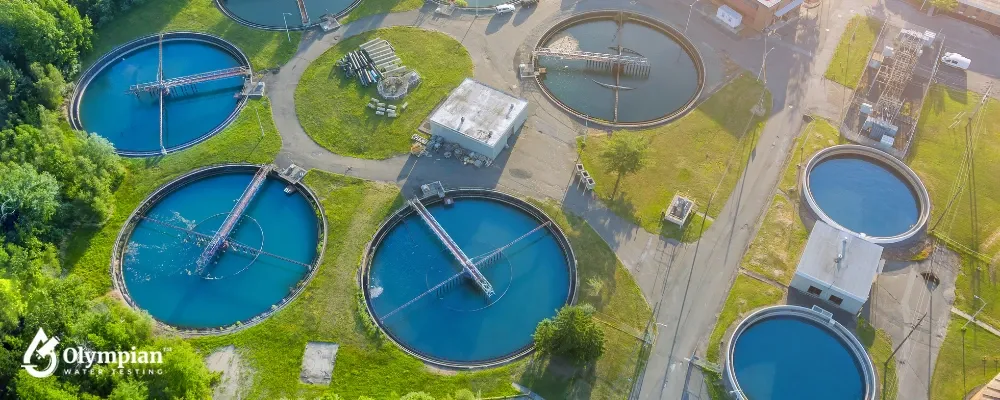
For many residents of Richmond County, the annual water quality reports released by municipal authorities are a source of comfort. These documents typically show that the water leaving the massive treatment facilities and reservoirs upstate is of exceptional quality, meeting or exceeding federal safety standards. However, as we move through 2026, a disconnect is becoming […]
Low pH and High Copper Still Present in Staten Island Multi-Unit System
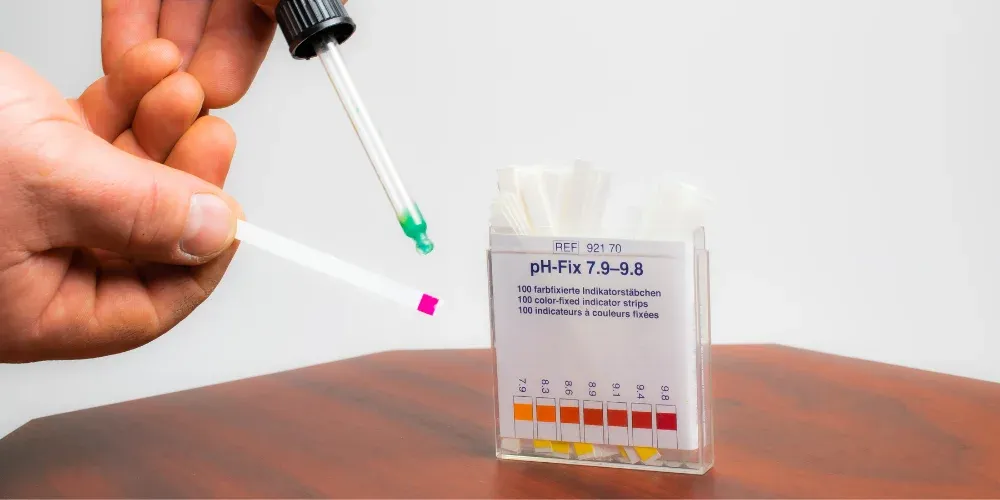
For property owners and residents of multi-unit buildings across Staten Island—from the established apartment complexes in St. George to the newer townhome developments in Tottenville—the quality of tap water is often taken for granted. We assume that because the water is treated by the city and delivered through modern infrastructure, it is inherently balanced. However, […]
Staten Island Duplex Passed Inspection But Failed Water Test at Showerhead
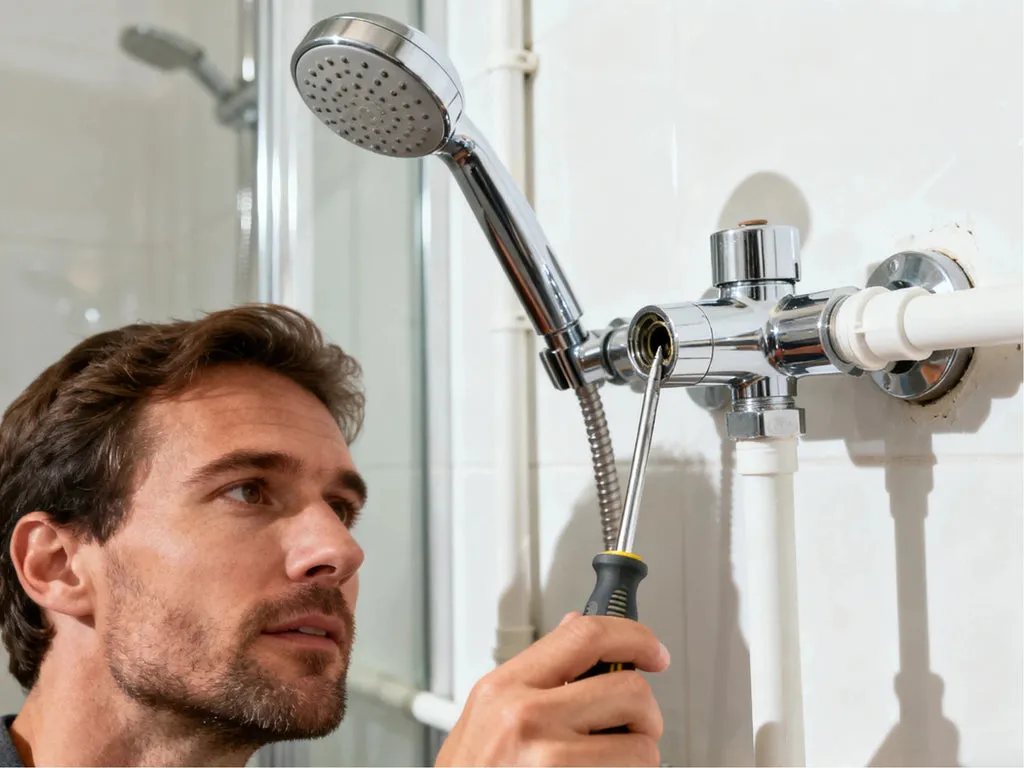
For many homebuyers in the historic North Shore or the quiet residential blocks of Mid-Island, the “General Home Inspection” is the ultimate hurdle. You wait for the report, scanning for red flags like foundation cracks or faulty wiring. When a Staten Island duplex passes this inspection, the celebration usually begins. However, in 2026, we are […]
How Data Journalism Is Changing Water Oversight

Data journalism empowers reporters to uncover essential insights on water usage and climate trends. This work supports in-depth reporting, shedding light on water quality issues across the United States. It leads to increased transparency, unveiling possible risks in local water supplies. Advancements in technology allow journalists to monitor trends from data centers, which consume significant […]
Public vs. Private Testing Accountability

Water quality is essential for every community. Ensuring clean water meets strict standards requires ongoing efforts. Public testing sets a baseline for protection. Private testing adds extra checks, strengthening safety. Accountability involves clear guidelines and dependable results. Public agencies enforce regulations that guide water quality evaluation. Private testing solutions help fill gaps and reinforce confidence. […]
Inside the Water Utility Modernization Push

Our nation’s water infrastructure stands at a critical juncture. Recognizing the urgency, officials, communities, and private entities are uniting to modernize outdated systems. This effort is aimed at safeguarding water quality and managing costs effectively. The Water Infrastructure Modernization Act, championed by Senators John Curtis and Ruben Gallego, exemplifies the federal commitment to fortify pipes, […]
Tracking Federal PFAS and Lead Settlements

PFAS contamination has become a pressing issue across the United States. Recent lawsuits against 3M and Dupont highlight the need to protect public water systems. Federal and state leaders are working to safeguard communities through infrastructure upgrades and enhanced oversight. Lead contamination also poses a significant threat. Health experts emphasize the importance of continuous monitoring […]
The State of American Water in 2025

Water quality is at a critical juncture. Ensuring safe water is essential for public health and infrastructure resilience. The American Water Works Association reports that financing for capital improvements and long-term supply budgets are top concerns for America’s water future. Utilities face challenges from aging systems and new regulations. These issues create financial burdens that […]
Federal Funding and Lawsuits
At the national level, federal funding and litigation are reshaping how America tackles water contamination. The EPA’s 2025 Water Infrastructure Resilience Fund has allocated $6.2 billion toward PFAS removal, pipe replacement, and rural system modernization. These grants—distributed through the Bipartisan Infrastructure Law—prioritize communities with known contamination or aging networks. Simultaneously, a wave of class-action lawsuits […]
State Regulatory Updates
Across the United States, states are taking the lead on water safety as federal rules evolve to address emerging contaminants. 2025 has been a pivotal year for local regulation, with new standards targeting PFAS, lead, and microbial risks. States such as New Jersey, Michigan, and California have advanced well beyond federal minimums—setting stricter limits for […]